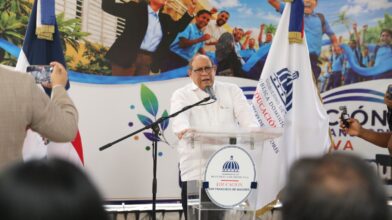
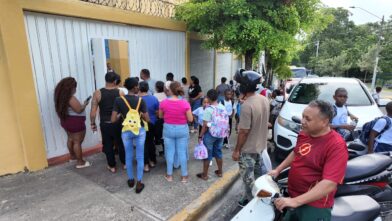
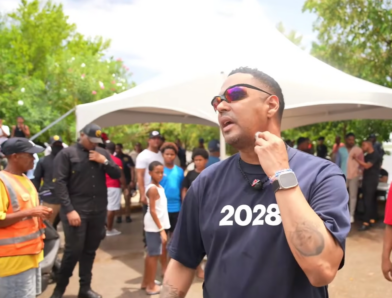
Santo Domingo.– Through the medical days “More Health and Wellbeing”, more than 40 thousand people were impacted in the 10 provinces that were visited during 2025. The program that seeks to bring health services closer to communities in vulnerable conditions, facilitated free and timely access to comprehensive medical care to thousands of families.
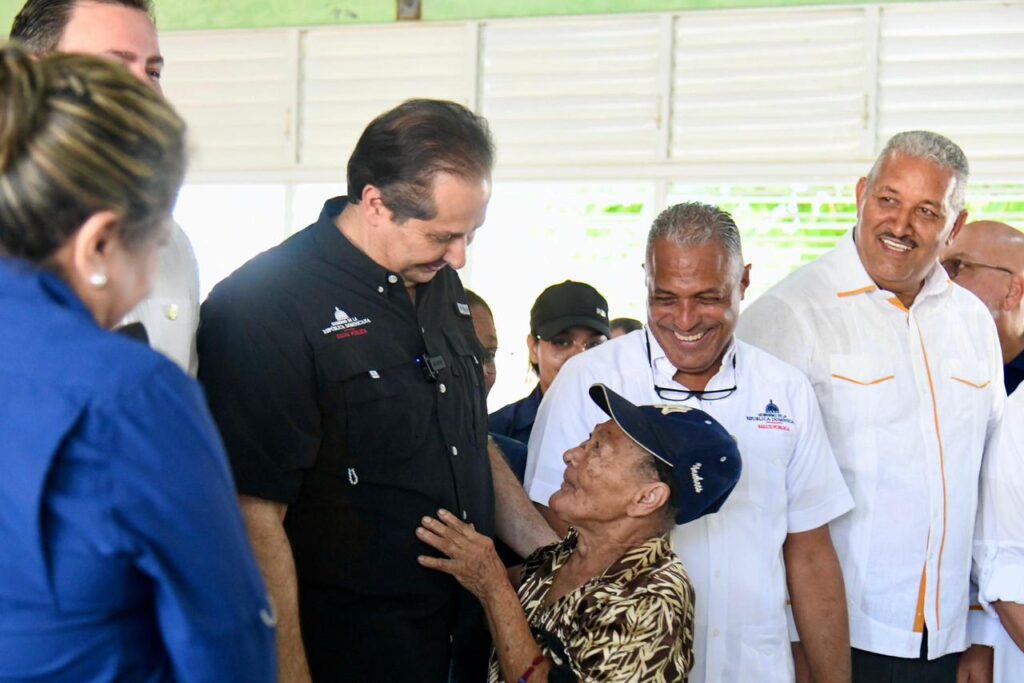
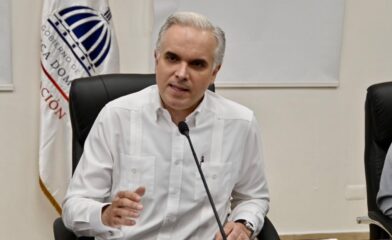
This day, driven by the Ministry of Health, under the leadership of Minister Víctor Atallah, from February to December, managed to directly impact some 46,089 people in 10 provinces of the country: Duarte, San Juan, La Altagracia, Santo Domingo Este (Los Minas), Barahona, Santiago, Bonao, San José de Ocoa, San Cristóbal, Santo Domingo Oeste (Los Alcarrizos). These provinces were selected based on epidemiological, geographical, and social criteria.
This program represents a sustained and strategic intervention initiated in February of this year, which is committed to prevention, monitoring, and health education.
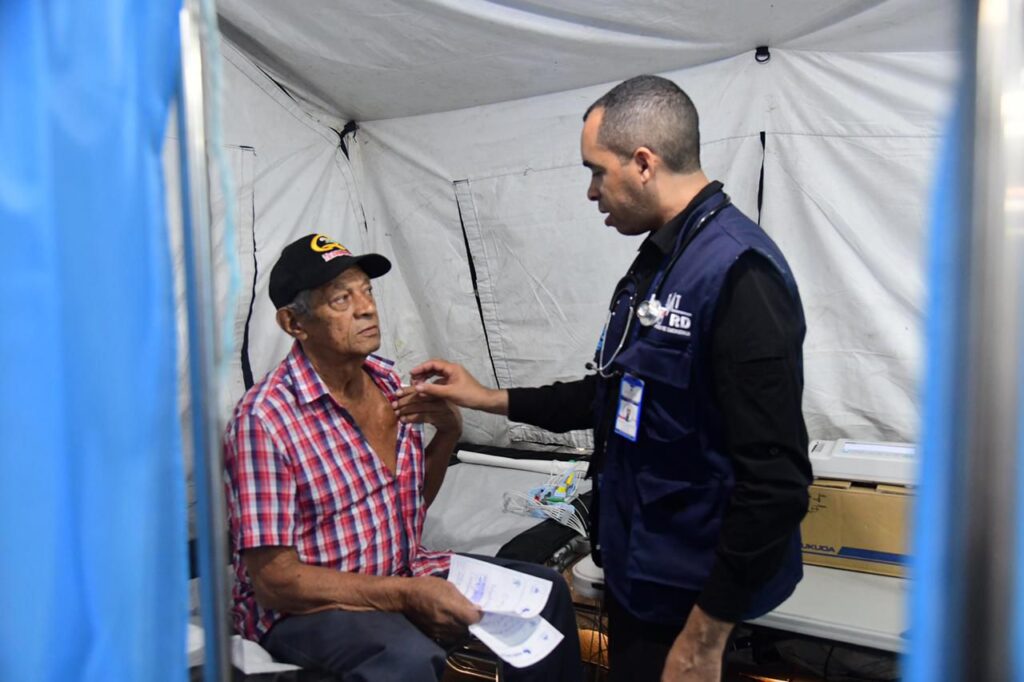
During this period, 15,543 medical consultations were provided, covering various specialties and primary health needs.
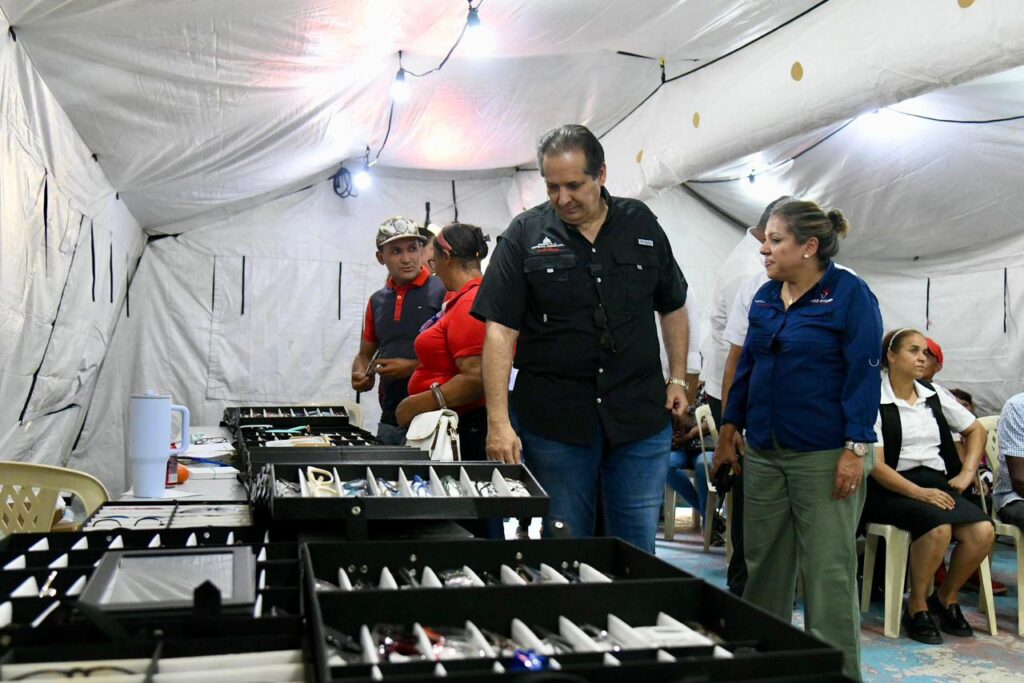
These people had access to comprehensive cardio-metabolic checkups, gynecology, pediatrics, optometry, dentistry, dermatology, among other services.
In order to strengthen medical care, laboratory analyses and specialized imaging studies such as sono-mammography, mammography, and electrocardiograms are performed, which allowed for the early identification and treatment of non-communicable chronic diseases and catastrophic diseases such as breast and prostate cancer, reducing short-term risks.
The most requested areas were general medicine, cardio metabolic with 4,426 consultations, dermatology with 2,691 and pediatrics with 2,245, which reflects a high need for primary care.
A key component has been the referral and follow-up of patients with chronic conditions to the primary care level, under the HEARTS strategy, where they are guaranteed follow-up, free medications, and the creation of a comprehensive clinical history.
The Más Salud y Bienestar strategy (HEART strategy) allowed the recruitment of 2,344 patients to date, showing that this initiative constitutes a key axis for the comprehensive management of chronic non-communicable diseases, as well as an opportunity to strengthen and expand cardiovascular prevention actions.
Other medical consultations performed were 1,907 in ophthalmology and optometry, 1,451 in dentistry, 1,300 in gynecology, and 133 in urology.
In addition, 2,393 diagnostic tests were performed, including 560 sonomammograms, 612 electrocardiograms, 646 sonographies, and 575 mammograms.
Electrocardiograms were positioned as the most requested diagnostic tests, both by medical indication and patient demand, which shows a high concern for cardiovascular health, especially among older adults and people diagnosed with high blood pressure.
Regarding breast cancer prevention, mammograms and sonomammograms were among the most in-demand services during the events, reflecting a priority component of the operation aimed at the early detection of this disease, in line with public health policies directed at women of risk ages.
During the days, a total of 6,654 clinical laboratory analyses were performed, with urinalysis (1,633), lipid profile (1,620), and blood count (1,502) standing out as the most requested tests, followed by fasting blood glucose (934), which shows a priority focus on the detection and control of metabolic, cardiovascular, and infectious diseases.
Similarly, urea tests (366), serum creatinine (122), blood typing (178) and PSA (158) were performed, in addition to HIV tests (44) and VDRL (44), along with 53 blood donations, reinforcing the actions of prevention, timely diagnosis and promotion of comprehensive health in the intervened communities.
During these days, various vaccine doses were administered, protecting the population from diseases. A total of 489 doses of the Diphtheria/Tetanus (DT) vaccine were supplied, and 412 doses of the Influenza (Flu) vaccine were administered, reducing the risk of health events caused by influenza.
In addition, 164 doses of Hepatitis B and 138 doses of Pneumococcus were administered. Finally, 201 doses of the Human Papillomavirus (HPV) vaccine were administered with the aim of contributing to the prevention of cervical cancer and other related types, 19 doses of OPV (polio vaccine), one dose of Hexavalent and six doses of measles and Rubella.
A total of 196 rabies vaccines were administered to animals, of which 169 were canine and 27 feline.
During 2025, 3,159 people participated in educational talks that addressed topics such as mental health, nutrition, prenatal care, accident prevention, hygiene, and self-care, strengthening citizens’ ability to make informed and sustainable decisions.
In terms of deliveries and social assistance, 9,544 medical prescriptions were made, as well as food rations and supplies, addressing basic health and nutrition needs.
Similarly, 11,850 food rations from the Economic Dining Halls, 2,930 mosquito nets, 1,766 baby baskets, 34 wheelchairs, and 1,680 nutritional drinks were delivered.