Santo Domingo, DR. – In light of the recent seismic events recorded in various countries in the region, the National Office for Seismic Assessment and Vulnerability of Infrastructure and Buildings (Onesvie) reports that it has redoubled its preventive efforts focused on the assessment of buildings, infrastructure, and vital lifelines, with the goal of reducing the vulnerability of strategic infrastructure and expanding the country’s response capabilities in the event of a major earthquake.
As part of this strategy, the institution has carried out 4,178 technical evaluations nationwide, comprising 3,345 buildings and 833 bridges, generating specialized information to understand the conditions of the structures, identify potential vulnerabilities, and establish intervention priorities.
The general director of Onesvie, engineer Leonardo de Jesús Reyes Madera, explained that the earthquakes recorded in Venezuela on June 24th and the recent event that occurred in Colombia constitute a reminder of the importance of maintaining permanent vigilance over the conditions of buildings, infrastructure, and lifelines.
“No country in the world can be considered completely prepared to face an earthquake. Precisely for this reason, prevention must be a permanent task. We must not wait for an earthquake to occur to start preparing,” stated Reyes Madera.
We recommend reading: DR on seismic alert: Brito warns earthquake could cause a catastrophe in the Cibao
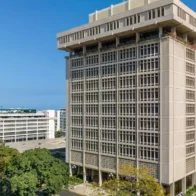
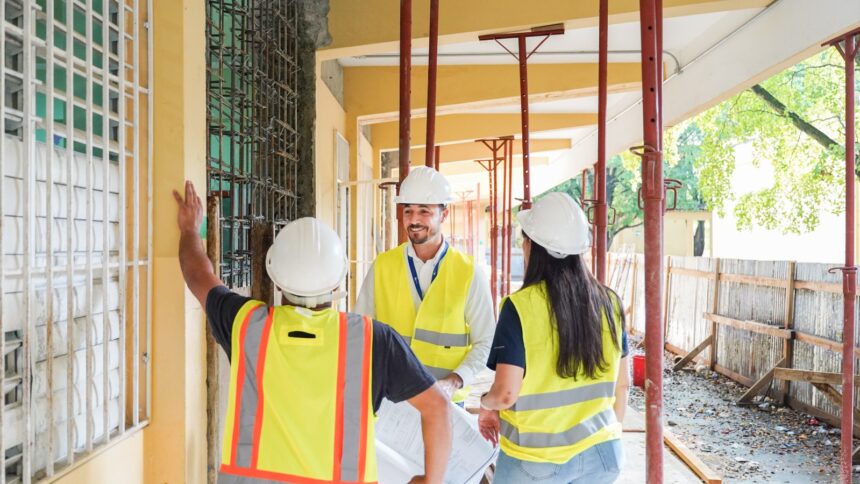
The evaluations carried out by the institution include public and private buildings, covering the National District and the 31 provinces of the country. Of the 3,345 buildings evaluated, 2,853 correspond to the public sector and 492 to the private sector.
Among the structures evaluated are health facilities, educational centers, government buildings, security installations, fire stations, public services, administrative, institutional and community facilities, housing, and universities, among others.

Regarding road infrastructure, the institution has evaluated 833 bridges in different provinces of the country, due to their importance in guaranteeing the connectivity and mobility of communities. These inspections allow for understanding their conditions, identifying potential vulnerabilities, and providing technical information to guide prevention, maintenance, or intervention actions when necessary.
More Read

Reyes Madera highlighted that technical evaluations allow for the generation of information that serves as a basis for guiding maintenance, rehabilitation, and reinforcement actions, when these are required. “It is necessary to evaluate and reinforce, when required, the buildings that house essential services, such as schools and hospitals, as well as the other strategic infrastructures of the country,” he pointed out.
Likewise, he called on the population to be aware of the conditions of the buildings where they live and work and to seek the corresponding technical evaluations, so that possible vulnerabilities can be identified and intervention measures can be adopted.
I explain that the collapses recorded in the country in different buildings, even without an earthquake having occurred, demonstrate the importance of continuing to strengthen evaluation, maintenance, and prevention actions, with a view to detecting significant vulnerabilities and being able to correct them
Similarly, the institution continues to strengthen the Dominican Structural Evaluators Network (REED), which currently has 950 professionals certified by the National School of Risk Management (ESNAGERI), thus expanding the country’s technical capacity to identify and determine the vulnerability of buildings before an earthquake and, after an event has occurred, contribute to establishing which structures can continue to be inhabited and which require intervention, reinforcement, or demolition.
The institution will continue to expand technical assessments across the national territory, strengthening specialized training and developing prevention and preparedness actions as part of the Dominican Government’s efforts to reduce seismic vulnerability, protect essential infrastructure, and strengthen the country’s resilience.