Santo Domingo.- The Senate of the Republic approved in second reading the bill that declares the anthropological reserve the Borbón or Pomier Caves as “Rock Art Capital of the Dominican Republic”.
This legislative proposal, presented by the senator of the province of San Cristóbal, Gustavo Lara Salazar, aims to promote, worldwide, the cultural heritage of the Cuevas de Borbón or del Pomier Anthropological Reserve, located in the Borbón section, of the province of San Cristóbal.
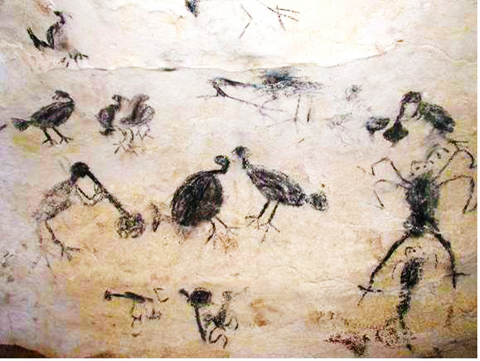
The Borbón Caves Anthropological Reserve is one of the most significant archaeological findings in the Caribbean region. It contains a set of cave paintings and memories of ancient human settlements dating back more than a thousand years.
“Invaluable evidence of the first cultural manifestations in the Antilles that positions this reserve as a key reference for the study of artistic expressions on rocks through drawings, paintings or engravings”, details the project.
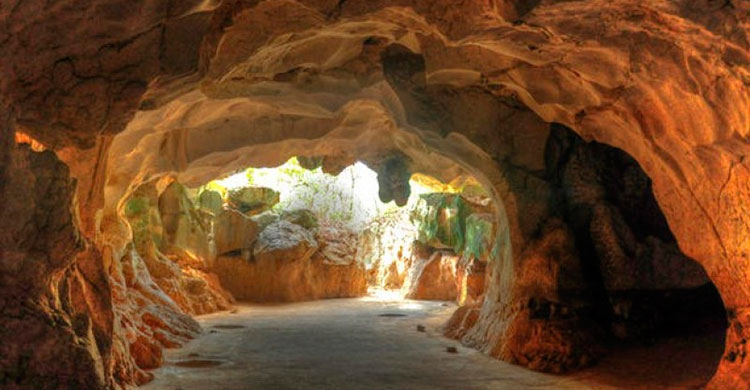
The piece also determines that the Bourbon Caves have a very rare geological formation in the world, with approximately 4 square kilometers in extension, and an altitude between 160 and 350 meters above sea level, which extends up to 1,000 meters below its level.
The reserve is composed of a series of 55 caves, with about 6,000 pictographs of birds, fish, reptiles and human figures and around 500 petroglyphs, created mainly by the Taíno and Igneri groups, who inhabited the island upon the arrival of the Spanish colonizers in 1492.
More about Pomier Caves
The flora of the reserve is composed of 248 species of vascular plants, of which 207 are native and 22 are introduced. Only twelve species are endemic to Española Island. 31 species of birds have been reported, of which 4 are endemic.
In 2018, the Pomier caves were included in the proposal “Pre-Hispanic Rock Art in the Dominican Republic”, presented by the permanent delegation of the Dominican Republic to UNESCO, to be considered as a cultural heritage of humanity (UNESCO, 2018).