Santo Domingo.- The Government proposes to eliminate the mortgage tax as one of the measures included in the economic reform bill presented by the Executive Branch to foster growth, update the tax system, and address the challenges derived from the international economic context.
The initiative, which will be sent to the National Congress for its study, proposes the gradual elimination of the tax applied to mortgages, the regulations for which originate from legislation approved in 1890. According to the authorities, the objective is to review tax figures considered outdated and reduce costs associated with economic activity and formalization processes.
Government proposes eliminating mortgage tax
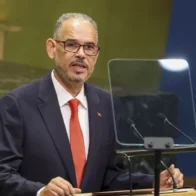
During the presentation of the plan, the Minister of Finance and Economy, Magín Díaz, indicated that the Government proposes to eliminate the mortgage tax because this levy is part of a set of fiscal burdens that the Executive branch understands no longer respond to the current conditions of the economic system. As he explained, its permanence increases expenses that could be avoided for citizens and companies.
You can also read: Government’s Anti-Crisis Plan includes tax amnesty, elimination of the advance payment, and increases educational deductions

The project also incorporates the gradual elimination of other taxes, including those applied to the incorporation of commercial companies and the selective tax on life insurance. The administration maintains that these figures have lost their utility in comparison to the needs of the contemporary economic environment.
More Read

Likewise, the official document points out that the repeal of the tax on mortgages seeks to modernize the current legal framework and facilitate access to financing mechanisms. In that context, Government proposes to eliminate mortgage tax as part of a strategy aimed at promoting investment and simplifying procedures related to financial operations.
The actions contemplated within the pro-growth measures block also include incentives aimed at private investment, tax refund schemes for exporters, and other provisions focused on strengthening the competitiveness of the Dominican economy.
Before coming into effect, the proposal must be reviewed, discussed, and submitted to the corresponding legislative process in the National Congress, where legislators will evaluate its content and determine its eventual approval.