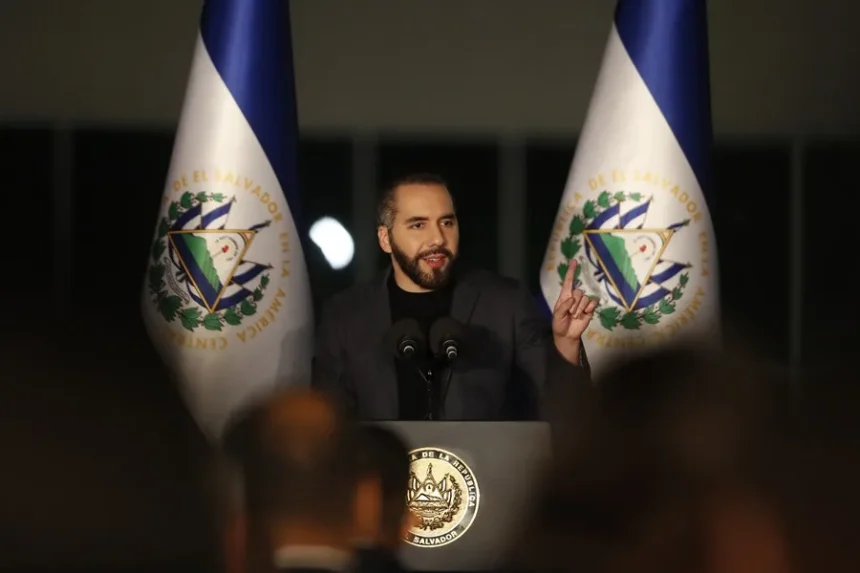
San Salvador.– The president of El Salvador, Nayib Bukele, maintains an 85.5% citizen approval rating upon completing seven years at the head of the Government, according to the results of a survey released by the firm LPG Datos.
The study reflects that, although the president’s popularity continues to be one of the highest in the region, the figure represents a decrease compared to the 91.9% recorded at the beginning of this year. However, the positive assessment of his administration remains widely majority among Salvadorans.
According to the survey, the main factors supporting Bukele’s approval continue to be the perceived progress in public security, especially due to the reduction of violence and the fight against gangs, one of the main commitments of his administration since he took office in 2019.
We recommend reading: Bukele inaugurates the new Rosales Hospital, El Salvador’s commitment to health and innovation
However, the poll also reveals that economic concerns have gained prominence among the population. The cost of living, the economic situation, and other social challenges are among the main concerns expressed by those who show some level of dissatisfaction with the government’s management.

Bukele took office as President on June 1, 2019, and is currently serving his second consecutive term. During these seven years, his administration has been marked by a strong security policy that has allowed him to consolidate high levels of popularity, although he has also faced questioning from national and international organizations for alleged human rights violations and for reforms promoted by the ruling party.

Analysts consulted by Salvadoran media point out that, despite the economic and fiscal challenges facing the country, the favorable perception of security continues to be the president’s main political asset.
The poll was conducted as El Salvador approaches a new electoral cycle and amidst a debate over the country’s political future, following constitutional reforms that modified aspects related to the duration of presidential terms and reelection.