Santiago.- The Rafey Men’s Correction and Rehabilitation Center (CCR) commemorated its twentieth anniversary this Thursday, highlighting the progress made in the rehabilitation and social reintegration of incarcerated individuals, many of whom managed to become literate, complete high school, obtain university degrees, and even pursue master’s degrees during their time at the facility.
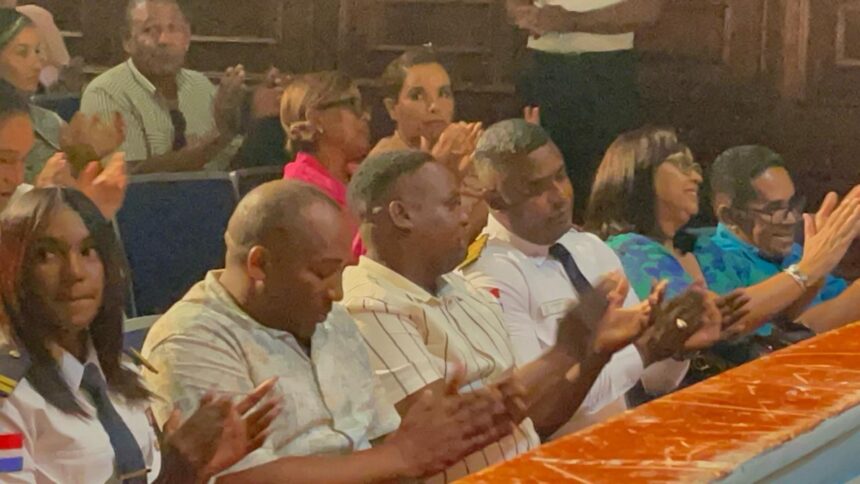
The celebration, held in the Julio Alberto Hernández Hall of the Gran Teatro del Cibao, was led by the center’s director, Frank Cabrera Paniagua, who stated that these two decades represent “reformative years” in which hundreds of inmates have transformed their lives thanks to education, technical training, and the support of the penitentiary system.
“Today we want to celebrate the life and freedom of those who arrived as captives, but have been redeemed through the word, study, and the support of the penitentiary system,” expressed Cabrera Paniagua, highlighting that many entered the facility as illiterate and today possess academic and professional training.
The official stated that the greatest achievement of the rehabilitation model has been returning individuals to society with new opportunities, strengthening family ties, and promoting true social reintegration.
We recommend reading:
More Read
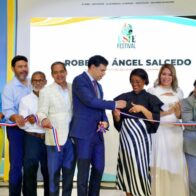

“Working with those deprived of liberty means returning fathers to their children and children to their families. There is nothing better than celebrating the redemption of those who thought they had lost everything,” he maintained.
As part of the anniversary, the inmates presented an artistic play inspired by their own life experiences, reflecting the obstacles faced and the process of personal transformation achieved during their stay at the center.
Likewise, participants in the educational programs and job training workshops demonstrated their talents through dance performances and expressions of gratitude to the institutions and individuals who support the rehabilitation initiatives developed at the CCR Rafey Hombres.
More Read
Currently, the center houses 910 men and 66 women, who participate in formal education programs, technical training, and activities aimed at facilitating their reintegration into society upon completing their sentences.