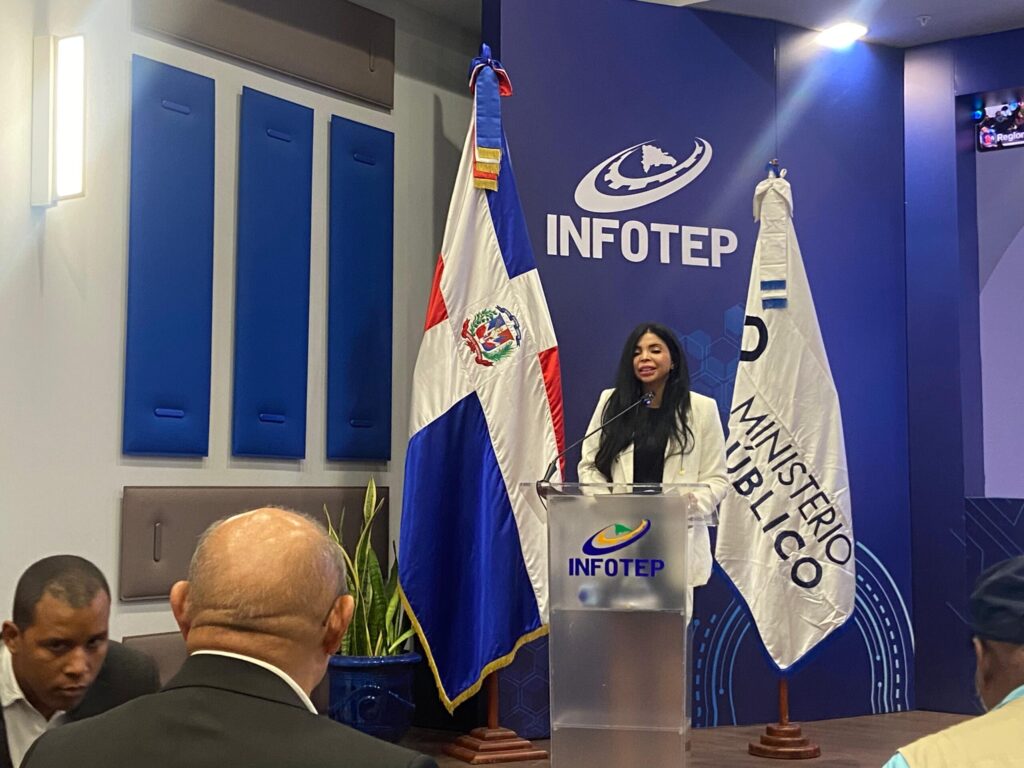
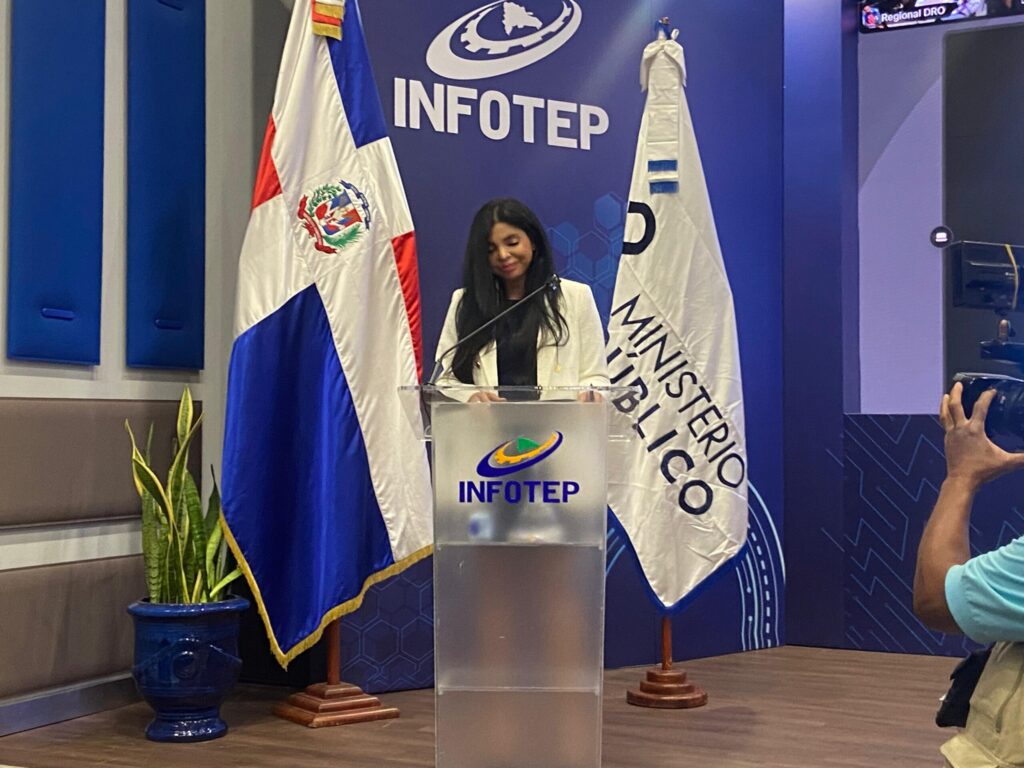
He explained that the accumulation of penalties applies when a defendant commits more than one crime related to the irregular handling of public funds, which aggravates the final sanction.“The Penal Code brings the accumulation, and if this crime here enters into accumulation with money laundering and enters into accumulation with the figure of association of wrongdoers, it can reach up to 30 years,” the prosecutor pointed out.
The prosecutor recalled that the crime of corruption will be considered autonomous under the new Penal Code, which means that any malicious action that affects public assets can be prosecuted without needing to be linked to another crime.“Because there is an accumulation of penalty: if you committed several crimes, it goes into accumulation,” Reynoso specified.
Reynoso also highlighted that corruption is a predicate offense for money laundering, which implies that if it is proven that a person used illicit money from acts of corruption to acquire goods or properties, they can be charged with money laundering in addition to the main offense.“From the moment the Code comes into effect, it is an autonomous crime. According to article 284, whoever commits any action in a malicious way that affects public patrimony commits the crime of corruption,” he explained.
You can also read: Roberto Santana Appointed to Penitentiary Services