Washington.– United States immigration authorities warned that foreign influencers and content creators entering the country on a tourist visa will not be able to generate content for commercial purposes or monetize posts during their stay, as that activity is considered work and requires an appropriate visa.
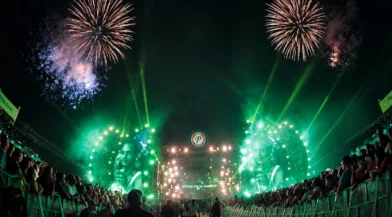
The measure gains relevance ahead of the 2026 FIFA World Cup, an event that will attract hundreds of digital creators from different countries interested in documenting the experience for their audiences on platforms such as YouTube, TikTok, Instagram, and Facebook.
According to a joint statement from U.S. Customs and Border Protection (CBP) and the Department of Homeland Security (DHS), those traveling to the United States for the purpose of producing content that generates income must have a visa that allows them to work legally in the country.
The authorities reminded that the B-2 tourist visa is intended for recreational activities, vacations, family visits, or medical treatments, and does not authorize work activities or the obtaining of income derived from work performed in U.S. territory. Failure to comply with these conditions could lead to visa cancellation, deportation, and restrictions on future entry into the country.

We recommend reading: Italy creates an influencer registry to regulate their impact on social media
President Donald Trump’s administration also plans to strengthen inspections at airports and points of entry to detect cases of content creators using tourist visas to engage in commercial activities.
More Read

Among the legal alternatives is the O-1 visa, intended for individuals with extraordinary abilities in areas such as the arts, business, sports, or sciences, which allows for certain paid professional activities.
The warning comes at a time when the 2026 World Cup is shaping up to be one of the biggest digital phenomena of the year, with millions of followers consuming content generated by influencers from all over the world.