
You can read: Council will be organized in working groups to organize goals and projects for 2026

Tracking, Transparency, and Focus on Results
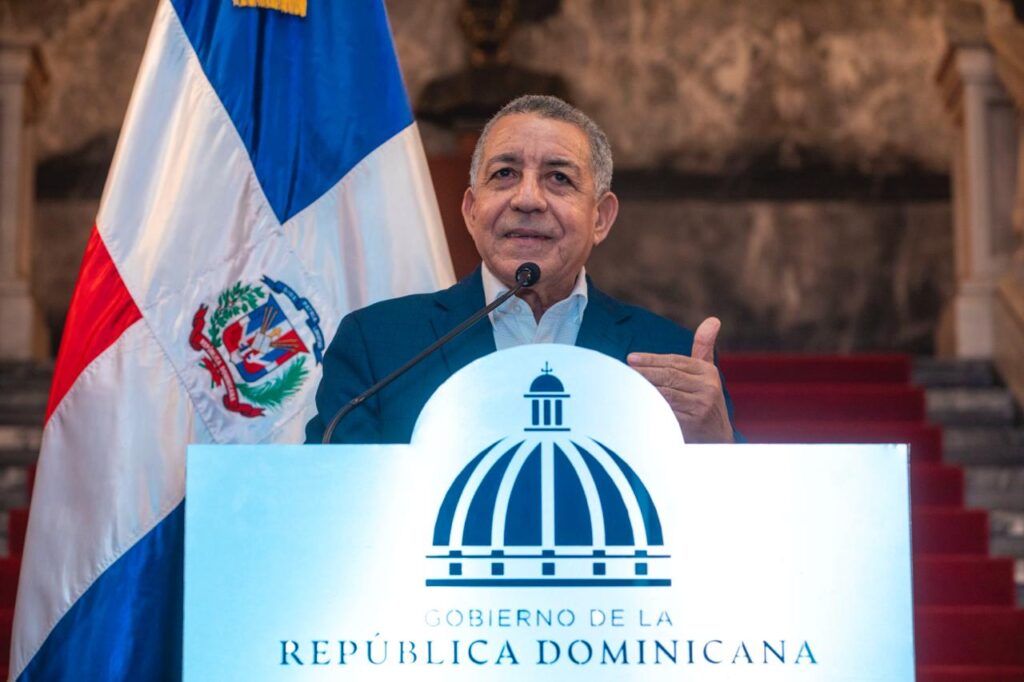
The Director of Strategy and Communication of the Presidency, Félix Reyna, clarified that the prioritization of goals does not imply setting aside other commitments of the Government, but rather concentrating efforts to generate greater impact. He indicated that President Abinader insisted on the importance of constant monitoring, transparency and the responsible management of public resources as pillars of management.Strategic Approaches for 2026
The Minister of Monitoring and Coordination of Priorities, Luis Madera, presented the main strategic axes for 2026, which cover areas such as health, security, water, energy, education, employment, agriculture and the State’s institutional framework. In terms of infrastructure and basic services, major projects for the supply of drinking water, the reduction of energy losses, and the promotion of renewable energies will be prioritized. Actions to eradicate hunger, promote salary increases above inflation, and refocus conditional social transfers are also contemplated. In the area of health, the first level of care will be strengthened, the reform to social security, the national drug policy, the network of trauma hospitals, and greater attention to mental health will be promoted. For job creation, the focus will be on technical training, strengthening English as a second language, promoting STEM careers, and special labor formalization regimes. In education, priorities include strengthening the school as a development platform, improvements in school infrastructure, expansion of early childhood education, retention in secondary school, and expansion of institutions such as UASD, INFOTEP, and ITLA. Regarding agricultural development and sustainability, the Government will promote the mechanization of the countryside, the technification of irrigation, state purchases for development, watershed management, land use planning, and the implementation of parametric insurance in the agricultural sector. The “Zero Bureaucracy” initiative will also be strengthened, along with prior control systems against corruption and the monitoring of the quality of public services.Articulation of Governmental Efforts
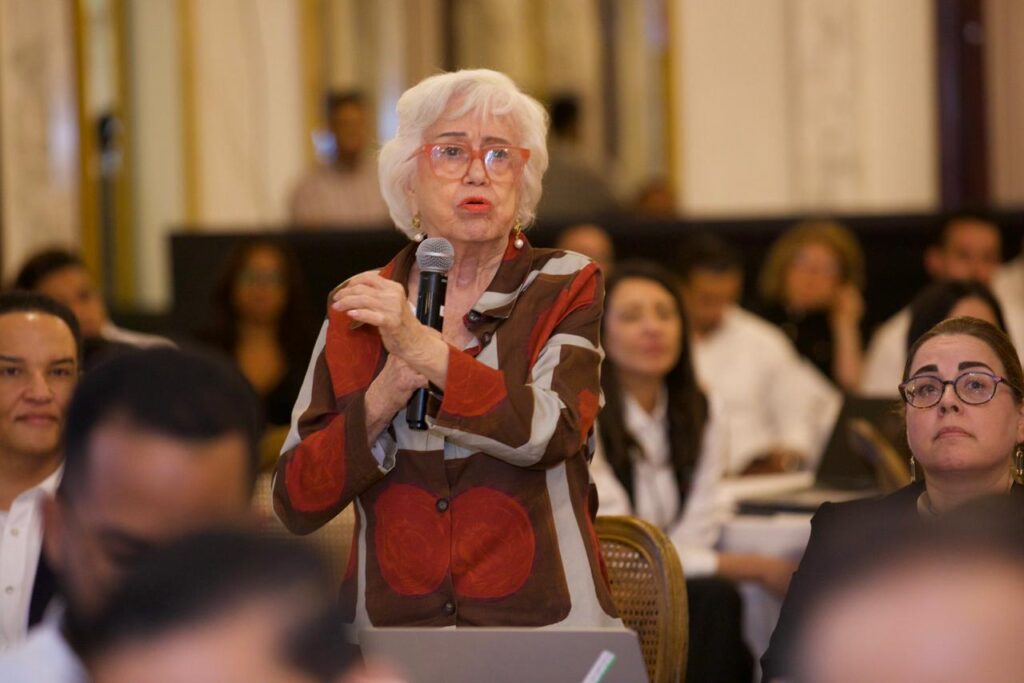
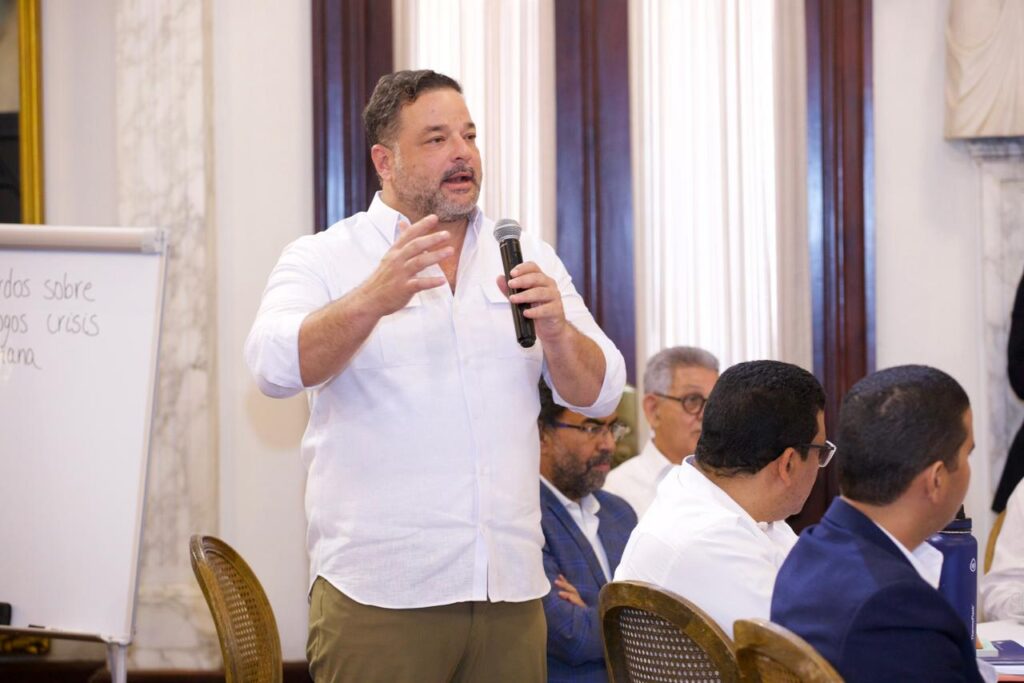
The Minister of the Presidency, José Ignacio Paliza, informed that this was the 55th Council of Ministers since August 2020 and that its objective is to align priorities, resources, and execution around the Government’s goals for 2026. He highlighted that this day marks the beginning of a new stage of management and is linked to the recent adjustments in the Cabinet. The extended Council of Ministers constituted the second moment of the “Articulation Day: Prioritized Actions for the 2026 Government Goals”, initiated in October 2025, which included consultations with representative social organizations of women, youth, children, and elderly people.Upon concluding the work sessions, the institutions assumed clear execution commitments, along with monitoring, measurement, and adjustment mechanisms, which will allow evaluating the progress of each initiative during 2026. The decisions adopted will be mandatory for all governmental entities and will serve as the basis for the continuous monitoring of public management.