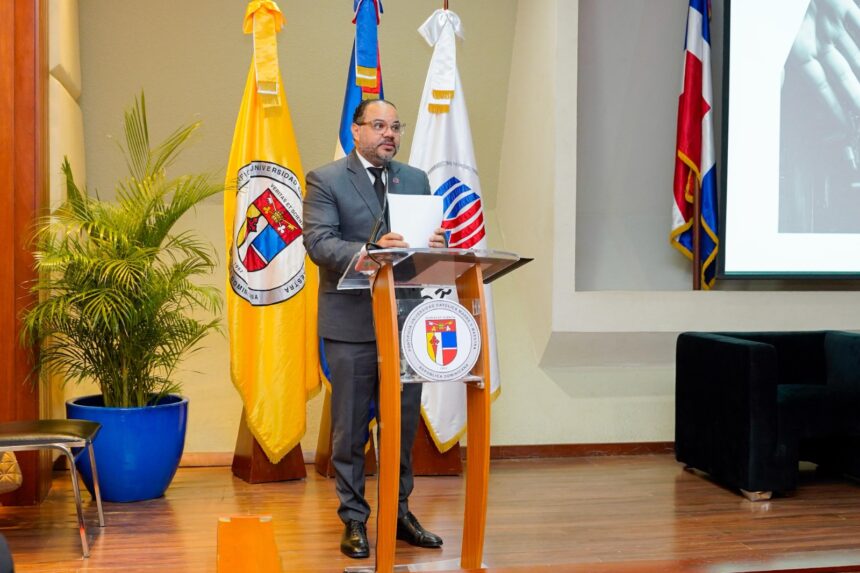
Santo Domingo.– With the purpose of promoting a space for reflection, coordination, and the formulation of proposals regarding addictions and mental health, the Ombudsman held the symposium “Addiction and the State: mental health, community, and public response in the Dominican Republic“.
The activity brought together specialists, representatives of public institutions, academics, community organizations, and social actors to analyze one of the main public health challenges facing the country and to promote comprehensive responses from the State and society.
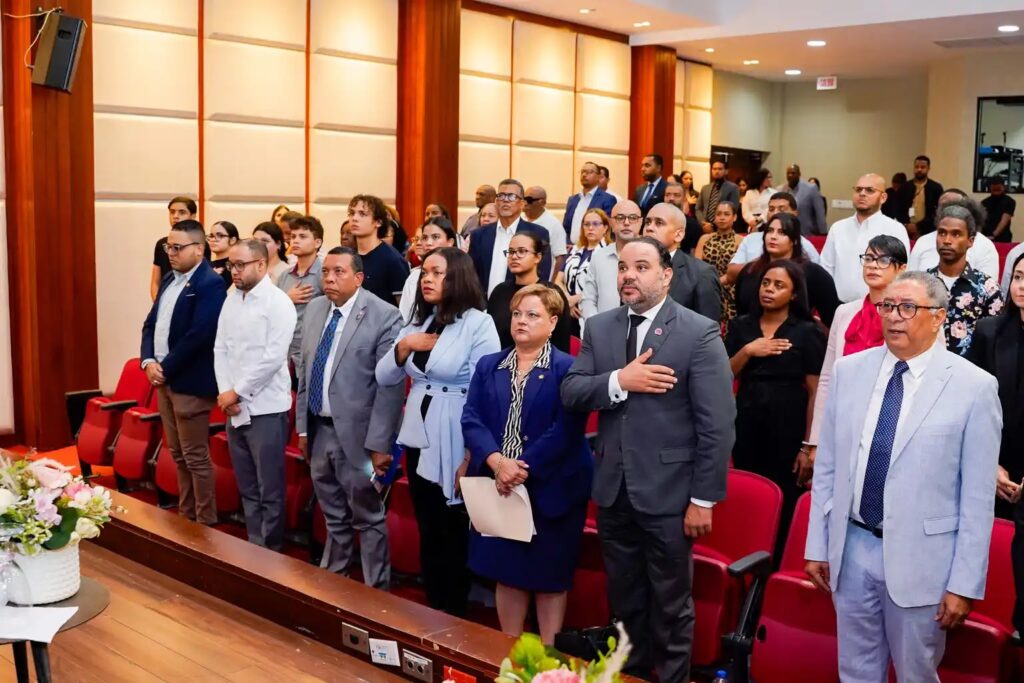
During the meeting, panels and discussions were held with representatives from the Ministry of Public Health, the National Health Service (SNS), and the National Drug Council (CND), as well as with former Puerto Rican judge María del Carmen Berríos Flores and the coordinating judge of the National District Instruction Courts, Kenya Romero, who addressed topics related to the social reintegration of people with addiction problems.
Leading the activity, the Ombudsman, Pablo Ulloa, highlighted that the forum allowed for examining the issue from different perspectives to build a public response based on human rights, scientific evidence, and the common good.
We recommend reading: Ombudsman intervenes to restore health services at a clinic in San Cristóbal
Ulloa recalled that the study “Healthy minds and sick policies,” conducted by the institution, evidenced the existing deficiencies in mental health coverage in the country and reiterated the need to strengthen services at all levels of care under a community-based and comprehensive model.
More Read

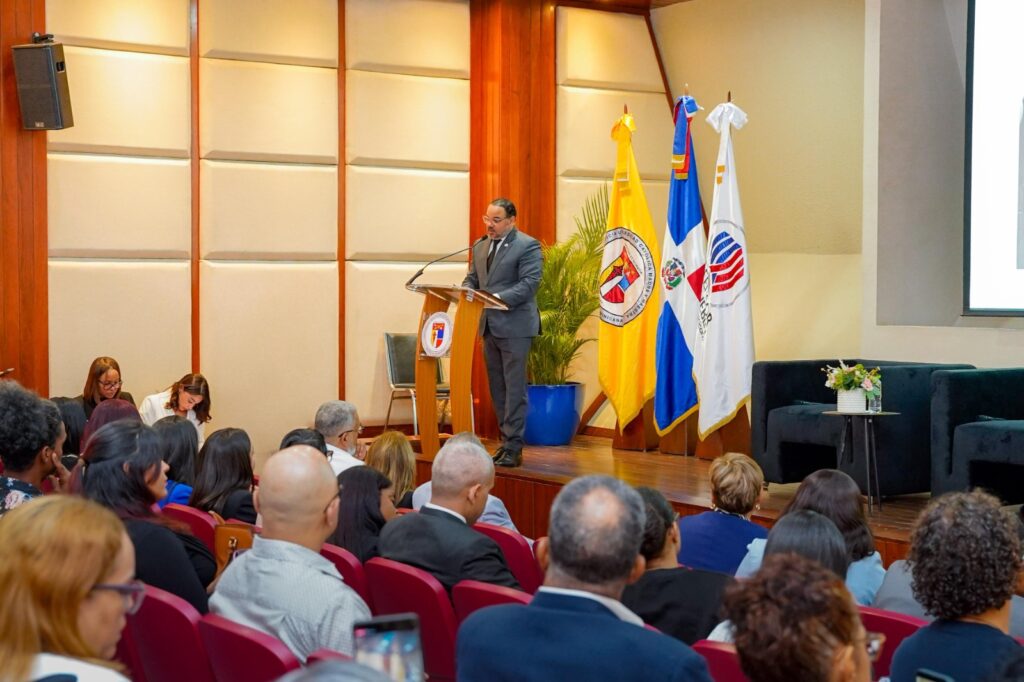
Likewise, he proposed the creation of a national monitoring board on mental health, addictions, and fundamental rights, as well as an inspection and supervision route for rehabilitation centers, minimum protocols with a human rights approach, and guidance and monitoring mechanisms from the Ombudsman’s Office.

“The debate on addictions and mental health is also a constitutional matter, because it involves fundamental rights such as human dignity, freedom, health protection, and respect for the person,” the official expressed.
Ulloa warned that situations related to irregular internments, reports of mistreatment, institutional abandonment, or the absence of effective responses constitute challenges that must be addressed from a State vision committed to the protection of citizens’ rights.

We recommend reading: Ombudsman awards innovative proposals in the “Rights Hackathon”
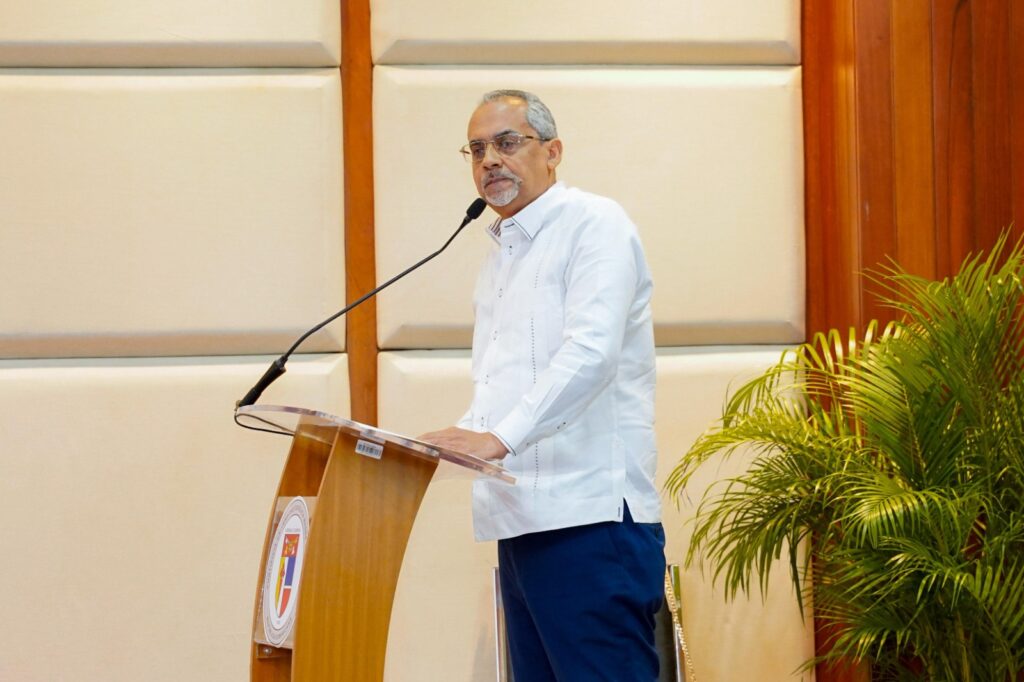
For his part, the president of the National Drug Council, Alejandro de Jesús Abreu, highlighted the efforts being made by the Government to strengthen mental health and addiction prevention policies.
“We have to work in the family, in the school, and in the community to rebuild the fabric of daily coexistence,” stated Abreu during his presentation on the responsibility of the State and the role of the community regarding addictions.
The participants agreed on the need to strengthen public policies, expand the coverage of specialized services, and promote prevention, care, and rehabilitation strategies that allow for more effective responses to people affected by mental health and substance use issues.
The symposium concluded with an exchange of proposals aimed at building a more inclusive, humane, and effective national agenda to address one of the most complex social and health challenges of today.