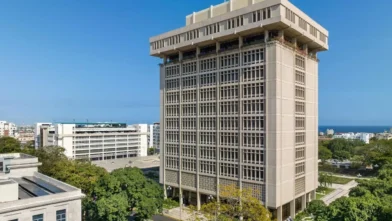
Caracas.- The Government of Venezuela and a sector of the opposition, led by former deputy Dinorah Figuera, agreed this Wednesday, at the closing of the first cycle of dialogue, to recover the country’s “international reserve assets” deposited in the Bank of England, for the care of the victims of the double earthquake on June 24.
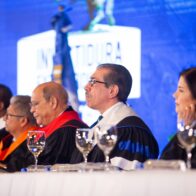
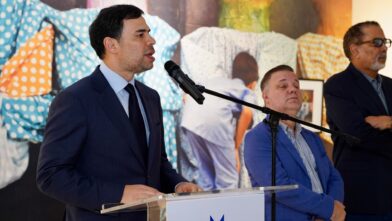
In a joint statement, read by the President of the Parliament, Jorge Rodríguez, and by Figuera, it is established that both parties will concentrate efforts to promote the recovery of these assets.
Likewise, they agreed to create mechanisms for transparency, traceability, and auditing in the efficient use of these resources, “to guarantee the well-being of all those affected.”
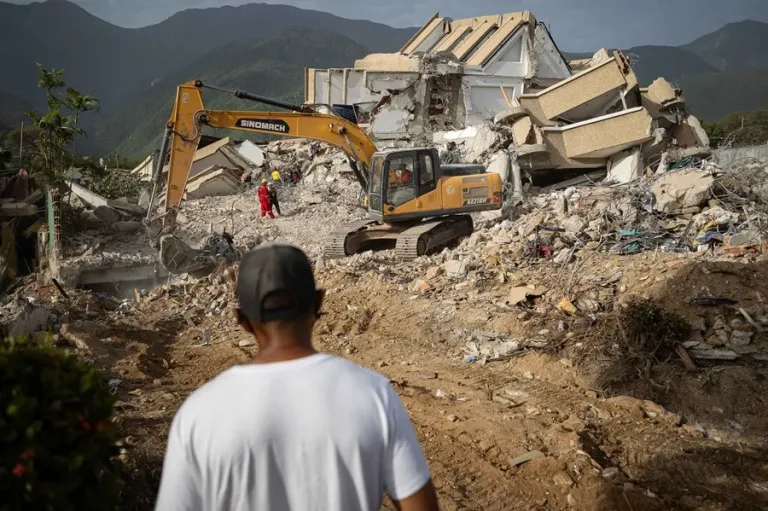
On June 24, Venezuela suffered two earthquakes of magnitude 7.2 and 7.5, which left at least 6,301 dead, nearly 18,000 people homeless, and material damages that the World Bank estimates at 19.6 billion dollars.
Management of resources held abroad
Last July, Rodríguez said that the number of homes estimated to be needed for people who lost their houses due to the disaster is 25,000.
More Read


The deputy then said that the acting head of state, Delcy Rodríguez, sent letters to other countries where “retained assets that belong to Venezuela are located,” and that, furthermore, she was developing “that entire financial engineering process to have the resources on hand and quickly.”
The head of state also sent a letter to British King Charles III requesting the release of the gold “held” at the Bank of England, in order to use those resources in the recovery process.
We recommend reading: Chavismo and opposition meet to close the first cycle of dialogue promoted by the U.S.
In 2023, the Chavista government claimed that Venezuela has 31 tons of gold held in the Bank of England, equivalent to about 1.95 billion dollars, due to questions from the British justice system regarding the legitimacy of the deposed president Nicolás Maduro, who was captured last January by the United States.
More Read

Despite the recent easing of sanctions by the White House, structural restrictions persist and Venezuelan state funds and assets abroad remain frozen or under control, such as the gold reserves deposited in the Bank of England or assets of Citgo, a subsidiary of the state-owned oil company PDVSA in the U.S.