Security forces in Guatemala seized 7,342 kilograms of cocaine between January 1 and May 28, 2026, an increase of 424.35% compared to the same period in 2025, according to the Ministry of the Interior, a result that already exceeds everything seized during 2023 and which authorities link to closer coordination between security forces, intelligence, and international cooperation.
The estimated value of the confiscated drugs amounts to 2.492 billion quetzales, an increase of 352.51% compared to the previous year, according to the Ministry of the Interior and reported by the Guatemalan News Agency.
In those first five months of 2026, the amount seized also exceeded the 5,037 kilograms confiscated in all of 2023, the last year of the previous administration.
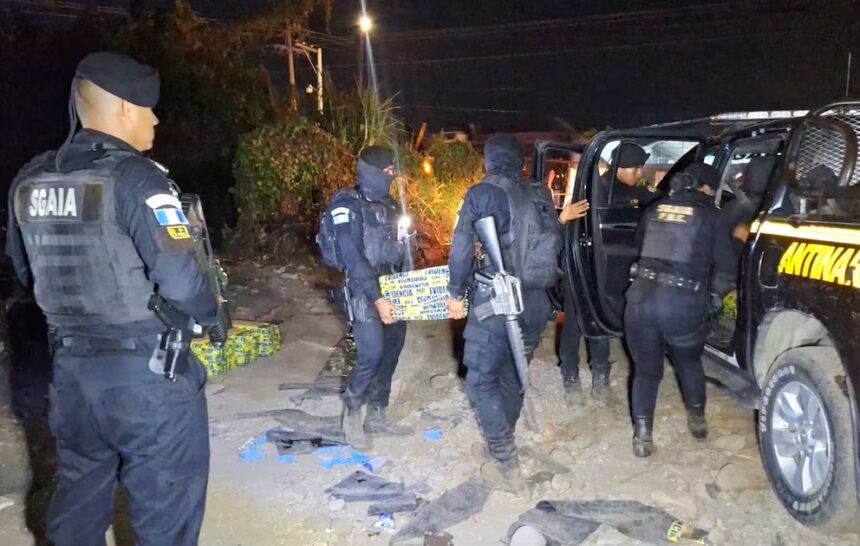
That balance includes 1,190 people arrested for drug-related crimes, compared to 743 in the same period of 2025, according to the Ministry of the Interior. Security forces also reported 441 detainees for other crimes, 17 arrested for extradition purposes, and seven already handed over to courts in other countries. File photo: The operation in Retalhuleu culminated in the seizure of cocaine valued at 15 million quetzales. (PNC of Guatemala)
We recommend reading: Deportations from the U.S. and Mexico raise the number of returnees in Guatemala to more than 26,000 in five months
More Read

Among the highest-impact operations are the seizure of 4.9 tons of cocaine, which authorities consider the largest in the last 12 years, and the discovery of a narco-laboratory in Ayutla, San Marcos, which they classify as one of the most significant blows against cartels in the last 15 years.
The increase is attributed to joint operations between the police, the Army, and the prosecutor’s office
The authorities attribute the results to coordinated actions between the General Sub-directorate of Anti-Narcotics Information Analysis of the National Civil Police, the Guatemalan Army, the Public Ministry, and international cooperation agencies. The Fifth Vice Minister of Anti-Narcotics, Víctor Cruz, pointed out to the Guatemalan News Agency that specialization, training, and operational intelligence were determining factors.
Cruz also highlighted the Army’s participation in operations carried out in remote areas of the country. The official stated: “Every seizure we make, every quetzal that can be taken away, is funding stripped from criminal structures”.

The state deployment also resulted in 318 vehicles and 295 firearms seized, two clandestine laboratories destroyed, and an airstrip allegedly used for illicit activities disabled, according to the Ministry of the Interior.

An analyst links the seizures to more intelligence and control over the routes
For security analyst Mario Mérida, cited by the AGN, the increase of more than 424% in seizures reflects an improvement in coordination between Guatemalan security institutions and international cooperation agencies, particularly with the United States. According to his assessment, this interagency relationship allowed for a greater flow of operational and intelligence information.
Mérida explained to the AGN that this exchange strengthened coordination between the Guatemalan Army and the National Civil Police, which facilitates identifying routes, movements, and structures linked to drug trafficking.
He also maintained that access to specialized intelligence was decisive in intervening more quickly and preventing important shipments from continuing their transit to international markets, especially the United States.
Regarding the economic impact of the seizures, valued at more than 2.492 billion quetzales, Mérida indicated that the financial loss is significant for criminal organizations, but maintained that the main blow is in the restrictions on moving drugs and operating freely within Guatemalan territory and in the border corridors used for illicit trafficking.
Mérida warned that Guatemala still faces challenges in the fight against drug trafficking and pointed out the need to strengthen the permanent presence of the State in vulnerable areas to generate strategic intelligence and anticipate the actions of these organizations.
More Read
You can also read: Guatemalan army will maintain indefinite presence on the border with Honduras
In that sense, he proposed: “Greater presence and permanence in the areas, with the purpose of producing strategic intelligence, to maintain control and intervene in a preventive and not reactive manner, as is currently happening.”
In the analyst’s view, the 2026 results show operational progress, but the challenge remains to maintain pressure on drug trafficking structures to turn these blows into sustained impacts that reduce their operational capacity in the medium and long term, according to information from the Guatemalan news agency.