

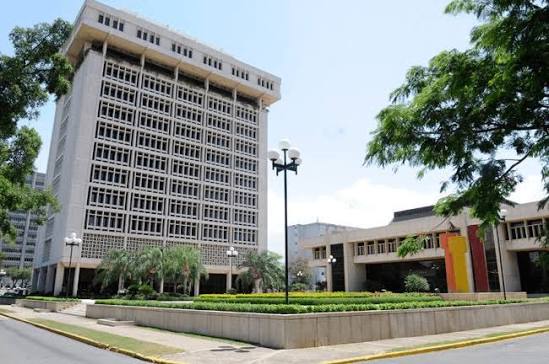

Santo Domingo.- The Central Bank of the Dominican Republic (BCRD) reported that the country received US$7,316.4 million in remittances during the first seven months of 2026, which represents an increase of US$442 million, equivalent to 6.4%, compared to the same period in 2025.
In July alone, US$1,097.1 million entered, about US$49.3 million more than those received in the same month of the previous year. This result represents a year-on-year growth of 4.7% and maintains the positive trend of these flows during the year.
The Central Bank noted that the behavior of remittances occurred in an international context marked by tensions and conflicts in the Middle East, factors that have influenced the prices of oil and its derivatives and generated pressures on inflation and household disposable income.
The United States accounts for the majority of shipments
Dominicans residing in the United States continue to be the main source of remittances to the country. In July, US$814.7 million were sent from U.S. territory, equivalent to 81.4% of the total received through formal channels.

The BCRD linked this performance to the evolution of the U.S. economy. In July, the Institute for Supply Management (ISM) non-manufacturing purchasing managers’ index (PMI) stood at 54.1, reflecting an expansion in the services sector, where a significant portion of the Dominican population residing in that country works.
Likewise, the general unemployment rate in the United States stood at 4.1% in July, down from the 4.2% recorded in June.
Spain remains the second largest source country
Spain ranked second among the main countries of origin for remittances during July, with US$65.9 million, equivalent to 6.6% of the total.
Italy followed, with 1.4%, and Haiti and Switzerland, with 1.2% each. The rest of the resources came from countries such as France, Canada, and Germany, among others.

National District received half of the remittances
Regarding territorial distribution, the National District concentrated 50.4% of the total remittances received during July.
Santiago received 9.5%, while Santo Domingo concentrated 6.8%. Together, these metropolitan areas captured 66.7% of the resources sent to the country during that month.
Remittances support exchange rate stability
The BCRD highlighted that the inflow of foreign currency through remittances has contributed to the relative stability of the exchange rate. As of July 31, 2026, the Dominican peso recorded an appreciation of 8.0% against the US dollar compared to December 2025.
We recommend reading: Inflation in the Dominican Republic slows down in July; CPI increases 0.19%, reports the Central Bank

These flows have also contributed to the strengthening of international reserves, which at the end of July reached US$15,253 million, equivalent to 10.8% of the gross domestic product (GDP) and sufficient to cover about 5.5 months of imports.
According to the BCRD, these indicators are above the levels recommended by the International Monetary Fund (IMF).
BCRD projects more than US$50 billion in foreign exchange earnings
The Central Bank’s outlook for the external sector anticipates that the positive performance of foreign currency inflows will continue throughout 2026.
The institution projects that tourism revenues will exceed US$11.9 billion, while remittances are expected to reach more than US$12.2 billion.
Likewise, it estimates total exports of nearly US$17.3 billion and foreign direct investment exceeding US$5.3 billion.
To these flows would be added approximately US$3.2 billion from other exported services, which would allow for foreign currency revenues exceeding US$50.2 billion by the end of 2026.
The Central Bank reiterated its commitment to monitor the national and international economic environment and to adopt the necessary measures to mitigate the effects of the complex external landscape, with the objective of preserving price and foreign exchange market stability.