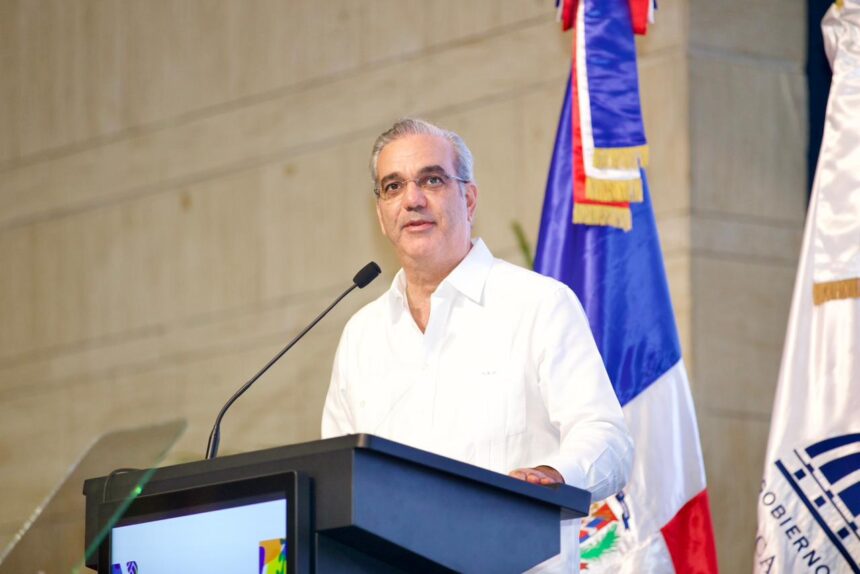
Punta Cana.– President Luis Abinader stated this Wednesday that urban sanitation must be a strategic priority for the countries of Latin America and the Caribbean, considering that its impact directly affects public health, environmental sustainability, climate resilience, and economic development.
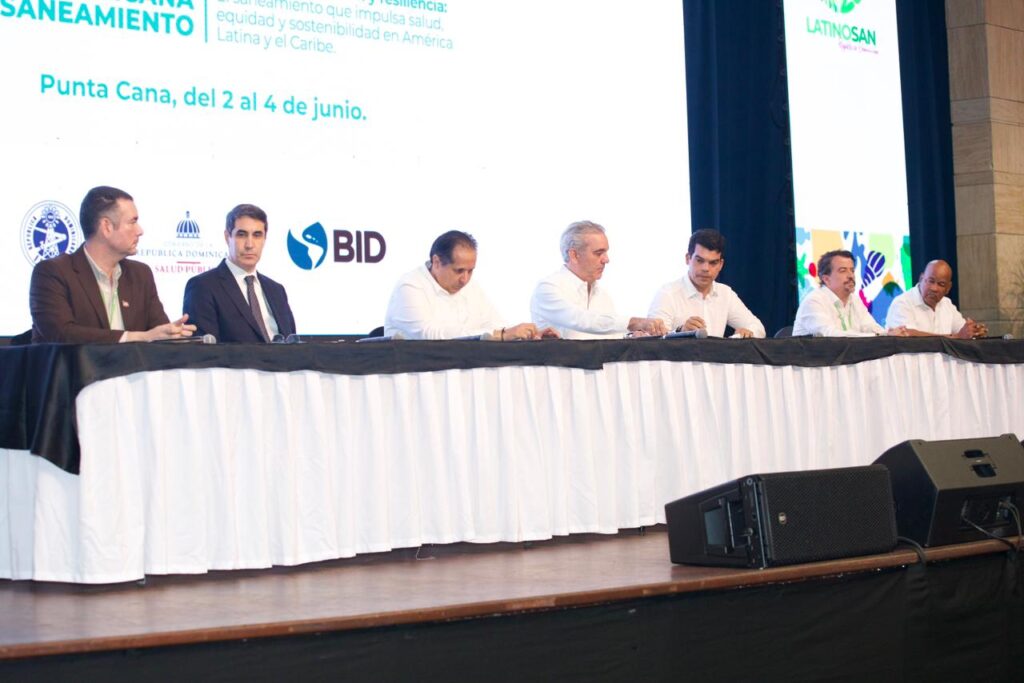
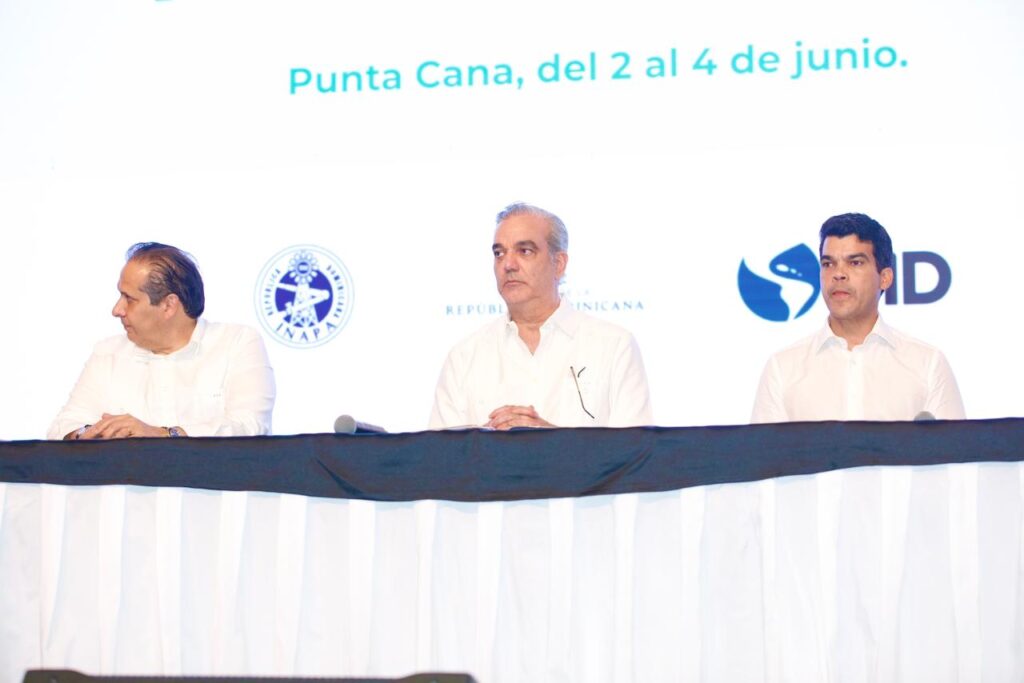
By participating in the VII Latin American Sanitation Conference (LATINOSAN 2026), held in Punta Cana, the president highlighted that the Dominican Republic is promoting a development vision based on universal access to quality basic services, supported by significant investments in water and sanitation infrastructure.
“Betting on water and sanitation is betting on a sustainable development model that guarantees well-being and opportunities for the entire population”, expressed the head of State.
We recommend reading: Abinader: Mental Health Committee will transform prisons into rehabilitation spaces
During his speech, Abinader stressed that behind every drinking water system, sewage system, or treatment plant, there are families and communities that can significantly improve their quality of life, which is why he defined sanitation as a matter of human dignity.
Verón-Punta Cana aqueduct will benefit more than a million people
The president reaffirmed the Government’s commitment to the Aqueduct and Sewerage Project with reuse for the Verón-Punta Cana area, developed within the Universal Sanitation Program for Coastal and Tourist Cities.
More Read

He explained that the initiative will directly benefit more than a million people and will contribute to protecting natural resources, strengthening the sustainability of the country’s main tourist hub, and ensuring more orderly urban growth.
Abinader maintained that there can be no sustainable tourism or quality public health without adequate drinking water and sanitation systems, describing access to these services as an essential element of social justice.
Highlighting the historic transformation of the sector
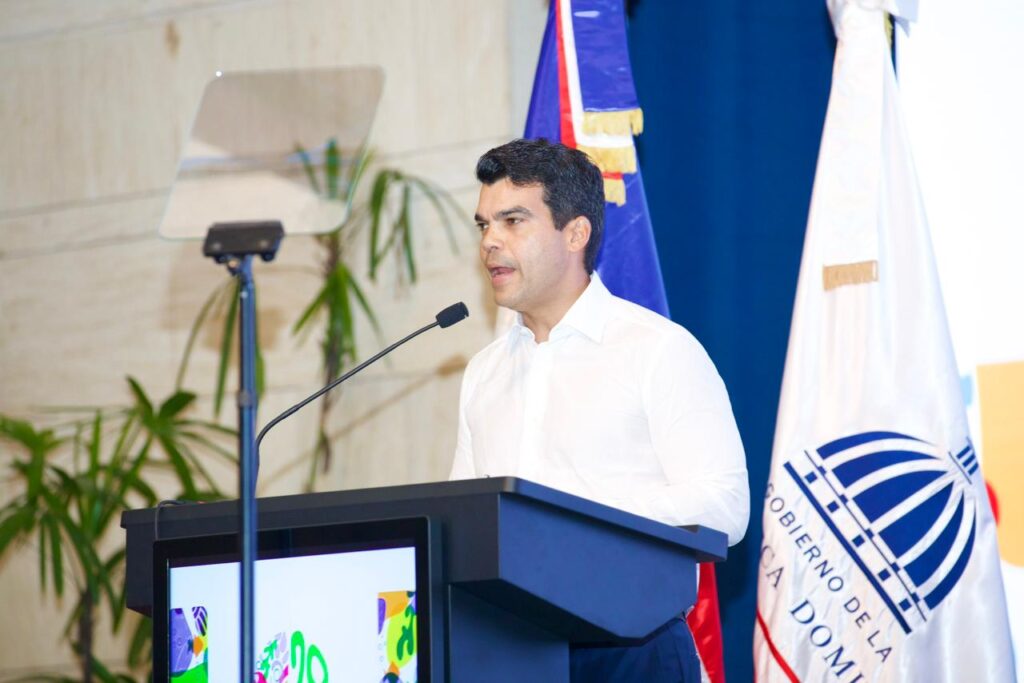
During the activity, the executive director of the National Institute of Potable Water and Sewerage (INAPA), Wellington Arnaud, assured that the Dominican Republic is experiencing an unprecedented transformation in terms of water and sanitation thanks to the priority given by the Government to this sector.
More Read


Arnaud highlighted that the investment executed by INAPA during 2025 exceeds RD$10 billion, a figure that surpasses the accumulated investment made between 2016 and 2020.
Likewise, he pointed out that the country is developing one of the most ambitious water and sanitation project portfolios in the region, including the Universal Sanitation Program for Coastal and Tourist Cities, promoted together with the Inter-American Development Bank (IDB), with an investment of nearly US$1 billion.
Sanitation, health and sustainable development
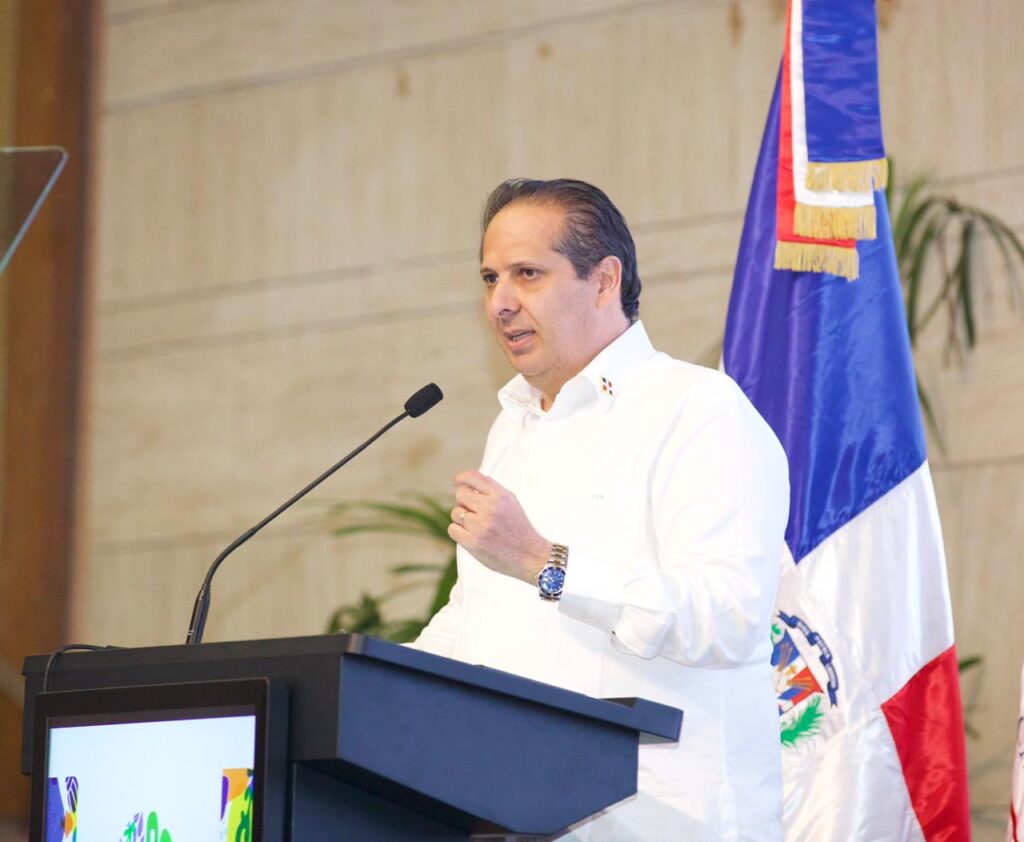
For his part, the Minister of Public Health, Víctor Atallah, stated that the celebration of LATINOSAN 2026 in the Dominican Republic reflects the country’s progress in the implementation of public policies oriented towards sustainable development.
The official highlighted that sanitation not only represents infrastructure, but also health, equity, productivity, and quality of life for the population.
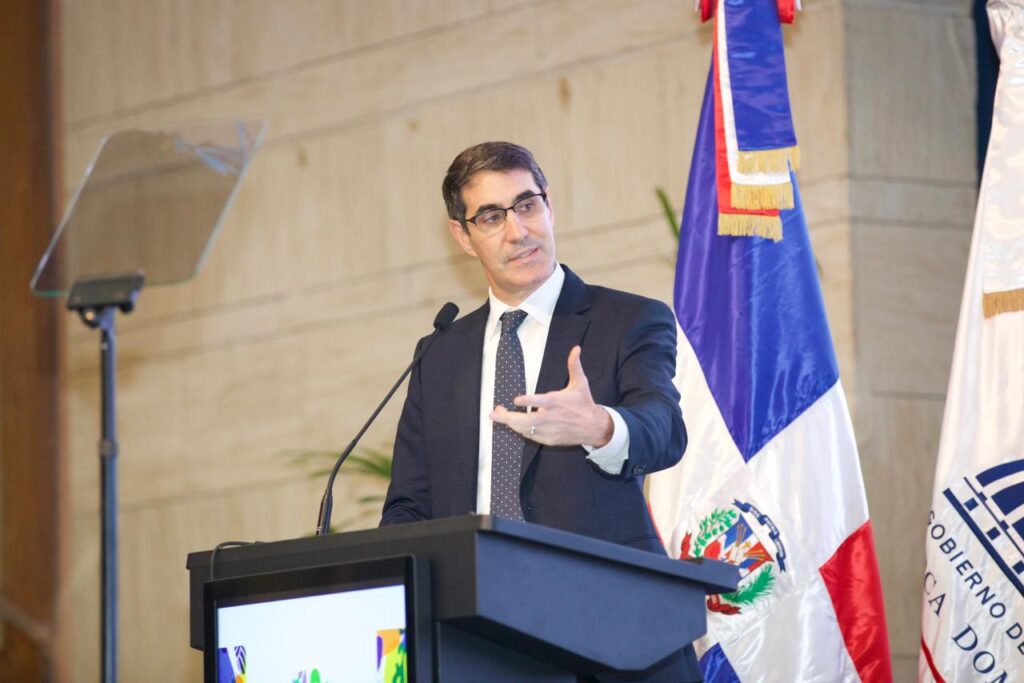
Meanwhile, the head of the IDB’s Water and Sanitation Division, Germán Sturzenegger, praised President Abinader’s leadership in promoting projects that strengthen water security, protect the environment, and create development opportunities.
Sturzenegger highlighted that the Dominican Republic has become a regional benchmark by placing sanitation among its main national priorities, reaffirming the international organization’s support for the initiatives the country is promoting in this area.
More Read

The VII Latin American Sanitation Conference gathers government representatives, international organizations, and sector experts in Punta Cana to discuss strategies aimed at improving access to drinking water and sanitation services in Latin America and the Caribbean.