Bangkok.- More than 50 people have died and millions have had to be evacuated due to monsoon rains, cyclones, and the resulting floods in several Asian countries so far this month, including China, India, the Philippines, and Burma, according to the latest data provided this Thursday.
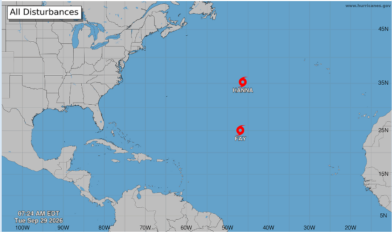
The situation has been aggravated by the passage of cyclones Luis, Maymay, and Dolphin, as well as several tropical storms, which have caused rivers to overflow, numerous landslides, and collapsed roads, while forecasts for further rainfall persist in some of the affected areas.
Read more: Tropical wave and trough will cause downpours, thunderstorms, and wind gusts in several provinces
Victim toll
In the last week alone, authorities and humanitarian organizations recorded 23 deaths in Burma, 21 in the Philippines, and seven in India, with dozens injured and thousands of families displaced to shelters.
The confluence of storms has so far left nearly four million people affected in the Philippines, 1.2 million in India, and another half a million in Burma.
More Read

These countries have been especially affected by the monsoon, which normally occurs between June and September and causes floods, landslides, road closures, and casualties every year.
In eastern China, the remnants of Dolphin forced the evacuation of 1.6 million people this week due to heavy rains that will continue until this Friday in 10 provinces -including Henan (center), Shandong (east), and Anhui (east)-, according to forecasts from the National Meteorological Center.

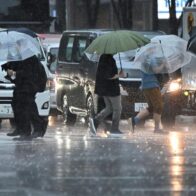
In Japan, Tropical Storm Chan-hom made landfall on Tuesday in the eastern prefecture of Ibaraki, near Tokyo, leaving five people with minor injuries, power outages in approximately 20,000 homes, and flight cancellations.
More Read

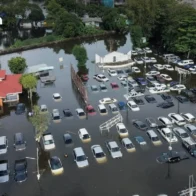
Added to this are localized floods in four provinces of Laos, including the capital Vientiane, according to a report from the local Red Cross, with no official toll of victims or damages having emerged so far.
El Niño Alert
Asia is under the threat of El Niño, the phenomenon that has warmed the waters of the Pacific and is expected to be “very strong” from next October to December, which could make it one of the largest since records began in 1950.
In July, the United States National Oceanic and Atmospheric Administration (NOAA) warned that El Niño will extend until the spring of 2027 and of increased cyclonic activity in the Pacific for the remainder of 2026.
This week, the British company Eurotempest published a study predicting an “especially active” cyclone season, which has already caused havoc in the Philippines and China, whose governments ordered the suspension of in-person classes in thousands of schools due to bad weather.
Meanwhile, unstable atmospheric conditions persist in Japan, so authorities continue to issue alerts, while in Burma, rescue teams are searching for two missing people and helping hundreds of people whose homes remain flooded to leave by boat.