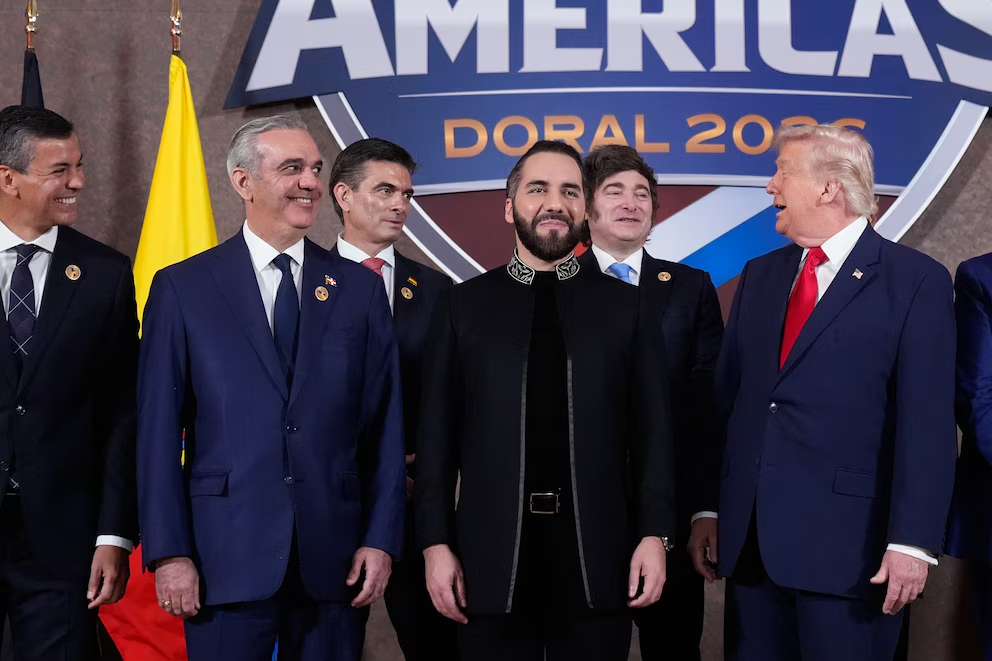
In the most recent regional survey released today, August 12, 2026, by the firm CB Global Data, the president of El Salvador, Nayib Bukele, has once again positioned himself in first place in the public image ranking of Latin American leaders.
With a solid 68.7% approval rating, Bukele leads this month’s list, consolidating his popular support after experiencing an increase compared to the July measurement, when he recorded 67.4%.
The detailed report from the pollster reveals that the image of the Salvadoran president is composed of a 40.3% who classify his administration as “very good” and a 28.4% who consider it “good”. The sample in El Salvador, conducted between August 5 and 10 with 3,981 cases and a margin of error of 1.6%, reflects the continuity of broad citizen support for the administration of the Central American head of state.
The regional podium of presidents with the highest positive image this month is completed by the president of Mexico, Claudia Sheinbaum, in second place with a 66.5% approval rating, and Keiko Fujimori, from Peru, in third position with 55.0%. The group of the six best-rated leaders in Latin America is rounded out by Abelardo de la Espriella from Colombia (52.4%), Luiz Inácio Lula da Silva from Brazil (51.9%), and Rodrigo Paz from Bolivia (50.5%).
Approval ranking of Latin American presidents for the month of August 2026
More Read

We recommend reading: El Salvador will send 100 tons of humanitarian aid supplies to Colombia, says Bukele
The Salvadoran president and the countries where other leaders seek to replicate his security model
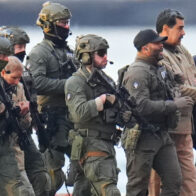
Nayib Bukele’s sustained positioning at the top of regional public opinion polls is not an isolated phenomenon. It responds largely to the impact and international visibility of his public security policies, primarily articulated through the Territorial Control Plan and the declaration of the state of exception to combat gangs.

This focus on the eradication of organized crime has led various leaders, candidates, and governments in the region to seek to implement or adapt initiatives inspired by the so-called “Bukele model.”
More Read

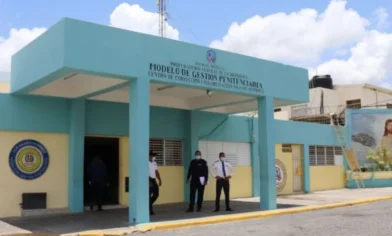
Countries such as Ecuador, Honduras, Peru, Guatemala, Colombia, and Argentina have seen political debates, legislative proposals, and even visits from official delegations to El Salvador to learn firsthand about the prison infrastructure and the military and police deployment strategies implemented by the Salvadoran administration. In nations plagued by high rates of violence and insecurity, the Salvadoran model has become a recurring reference point within the public and electoral agenda.
One of the main achievements of Nayib Bukele’s seven years of government is the reduction of violence and gangs in El Salvador. Photo Infobae Central America/Courtesy Ministry of Justice
The contrasts of the regional ranking: falls, rises, and the worst ratings
In contrast to the top positions, the study published by CB Global Data exposes the difficult popularity situation that other leaders in the region are going through.
The list of presidents with the worst public image is led by Delcy Rodríguez, from Venezuela, who is in last place (18th position) with just a 26.7% approval rating. She is followed by the president of Guatemala, Bernardo Arévalo, with 29.5%, and the leader of Panama, José Raúl Mulino, in 16th place with a 31.4% positive rating among his citizens.
Other leaders with unfavorable ratings within the bottom group include Javier Milei in Argentina (35.1%), Daniel Ortega in Nicaragua (36.0%), and Yamandú Orsi in Uruguay (37.5%).
With the results of this August measurement, the Latin American political landscape reflects both the persistence of strong leaderships supported by punitive security strategies and the erosion of governments facing complex economic and institutional contexts in the region.