Santo Domingo.– U.S. Citizenship and Immigration Services (USCIS) reminded applicants that they must submit complete files with sufficient evidence, as a petition with limited information or without supporting documents could be rejected.
Migration specialist Stefhany Teijeiro explained that the U.S. agency reiterated to its officers and applicants that it will not always be necessary to request additional documents before denying a case.
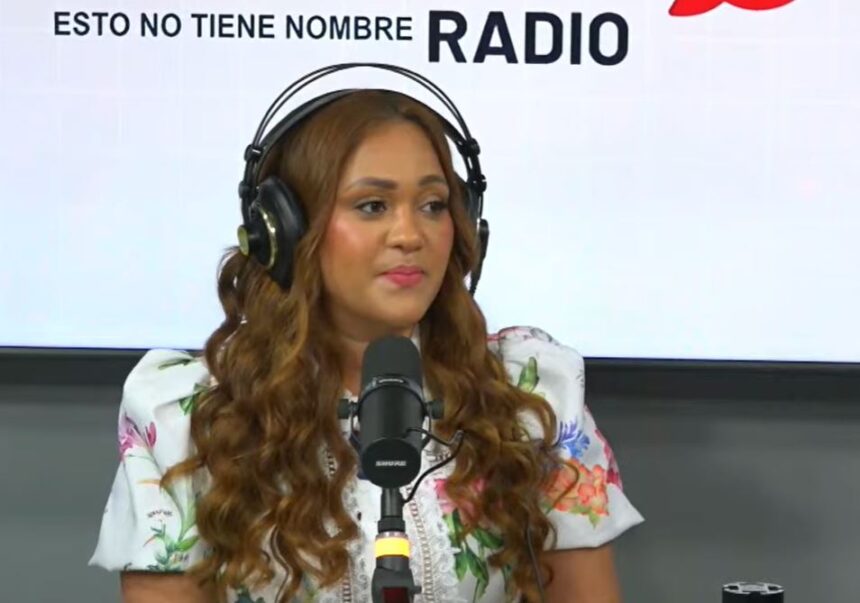
“If someone sends you a timid file, one that doesn’t provide arguments, that doesn’t provide a guarantee of what is being presented, well, you can deny it,” explained Teijeiro during his participation in the radio program Esto No Tiene Nombre, on La Nota 95.7 FM.
The specialist indicated that some applicants used to submit their cases with pending documents, hoping that USCIS would subsequently send them a request for additional evidence. However, she warned that this practice could lead to financial losses and delays.
“You are going to lose your tax, which is quite expensive: it is 775 dollars. You will lose time and will have to file a new application,” he pointed out.
Teijeiro recommended that individuals get directly involved in their immigration processes and review, together with their advisors, the documentation that will be sent to USCIS.
We recommend reading: Yudith Feliz warns about a “wave” of immigration scams using AI and identity theft
In cases of marriage-based petitions, he explained that authorities usually carefully review the evidence demonstrating that the relationship is legitimate, especially when there are elements that may raise doubts.
More Read


“Imagine that you got married in January and by March you are already filing a petition. There, the officer might think: ‘Well, did they get married immediately or is the intention to emigrate?’”, he indicated.
The specialist explained that couples who maintained a previous relationship, such as a common-law union before marriage, must provide evidence demonstrating the history of that relationship.
“There are people who have been in a common-law relationship for a long time, but in order to validate that information, they present documents from four, five, or three years ago that prove they lived together and that the relationship is in good faith,” he stated.
Among the recommended evidence, he mentioned natural photographs, conversations, trips taken together, shared accounts, remittances, investments, and sworn statements from people who know the couple.
Likewise, he warned about cases of late recognition of children, in which it is also required to demonstrate the existence of the family bond.
More Read

“If you are a parent who registered your child late, something that is frequently seen here, bring evidence of the baptism or that you were present during the child’s upbringing,” he explained.
He added that applicants must provide all available documentation to help the officer understand the situation.
“How is it that you declared that child when he was five years old? As an officer, one might ask: ‘What if that is not your child?’”, stated Teijeiro, highlighting the importance of presenting evidence such as school documents, family statements, and even DNA tests when necessary.
The specialist reiterated that the main recommendation is to submit solid files from the beginning to avoid rejections and delays in immigration processes.