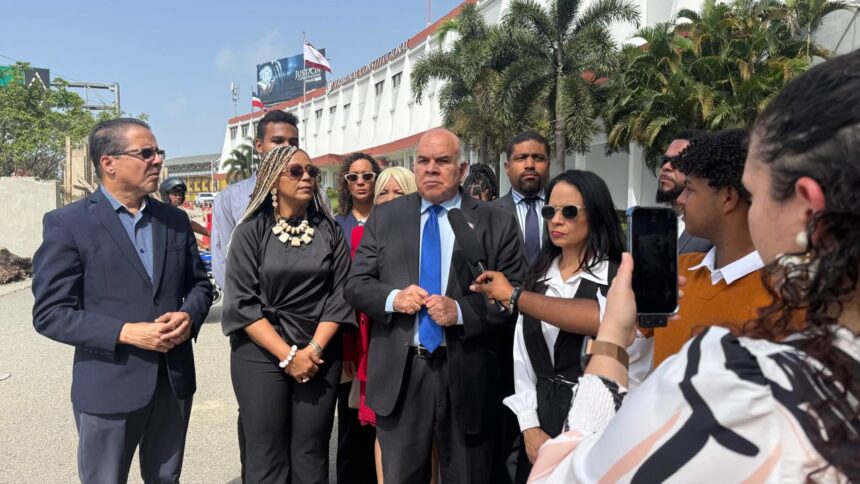
Santo Domingo.– More than 150 citizens and civil society organizations filed voluntary intervention actions before the Constitutional Court to express their opposition to a direct action of unconstitutionality filed against article 173 of Law no. 74-25, which establishes the new Penal Code of the Dominican Republic.
The constitutional action was filed by the organizations Community of Inclusive Dominican Lesbians and Rosalba Karina Díaz Crisóstomo, who request that the high court issue an additive interpretive ruling that incorporates the category of “sexual orientation” within the criteria contemplated in the article that sanctions discrimination.
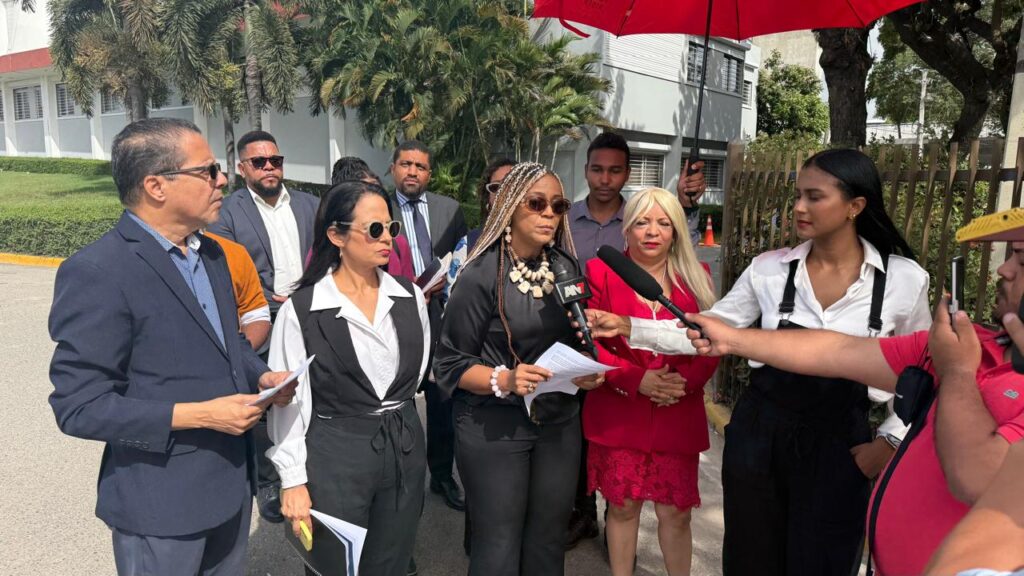
The intervening parties maintain that such a request exceeds the constitutional powers of the Constitutional Court, by seeking for the jurisdictional body to modify the content of a law approved by the National Congress through an interpretation that, in their view, would turn the court into a positive legislator.
According to the filed document, the inclusion of that category through a ruling would have binding effects for all judicial and administrative bodies of the State, which is why they consider that any modification of that nature corresponds exclusively to the Legislative Branch.
We recommend reading: CMD prepares for the entry into force of the new Penal Code on August 3rd
Among the entities supporting the intervention are the Archdiocese of Santo Domingo, the Dominican Council of Evangelical Unity (CODUE), the Dominican Evangelical Alliance (AEDO), Pro-Nación, Youth With A Mission (YWAM), Christian Action Group (GAC), Alianza Vitae, as well as the organizations FOMUDEVI, RD Inclusiva, and Fundación Valdez, in addition to numerous personalities and citizens.
More Read

The appearing parties argue that the Dominican Constitution protects human dignity, equality before the law, freedom of conscience, freedom of religion, freedom of expression, and the right to the free development of personality without any distinction.

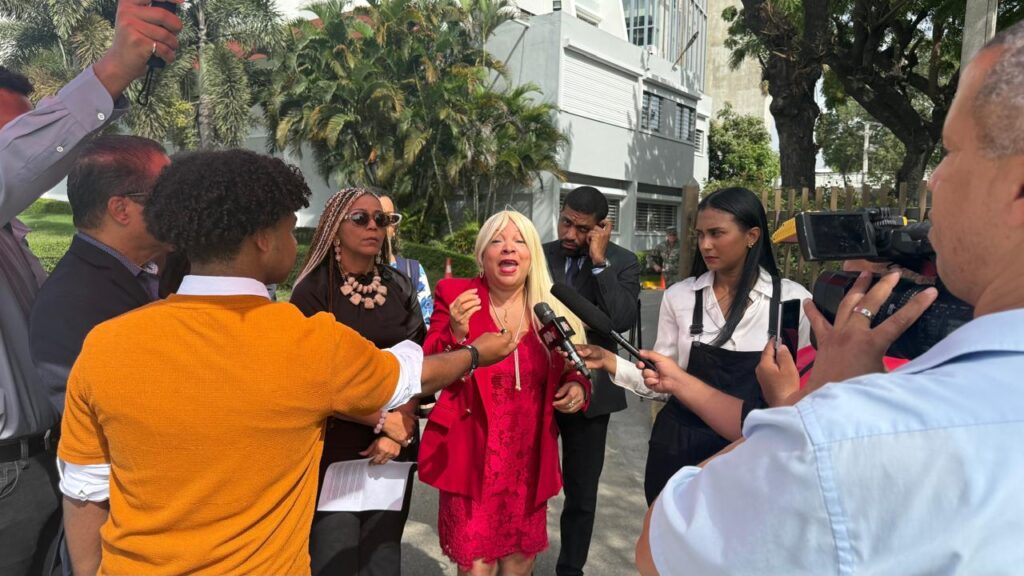
Likewise, they maintain that neither the Constitution, nor the international human rights treaties ratified by the Dominican State, establish a legal obligation to create new criminal categories through judicial interpretation.
In that sense, they pointed out that international instruments such as the American Convention on Human Rights and the International Covenant on Civil and Political Rights guarantee equality and fundamental freedoms, but do not impose on States the obligation to incorporate certain categories through judicial decisions, nor do they authorize criminal sanctions against individuals for expressing opinions based on religious, philosophical, scientific, or legal convictions within the legal framework.
More Read

We recommend reading: DNCD begins training on new Penal Code for operational personnel
The participants stated that the debate presented before the Constitutional Court does not question the inherent dignity of individuals, but rather focuses on the limits of the jurisdictional function and the need to preserve the balance between the different fundamental rights protected by the Magna Carta.
In their view, the unconstitutionality action seeks to alter the normative content approved by the National Congress through an evolutionary interpretation that would affect principles such as the separation of powers, legal certainty, the reservation of law in criminal matters, and the principle of legality.
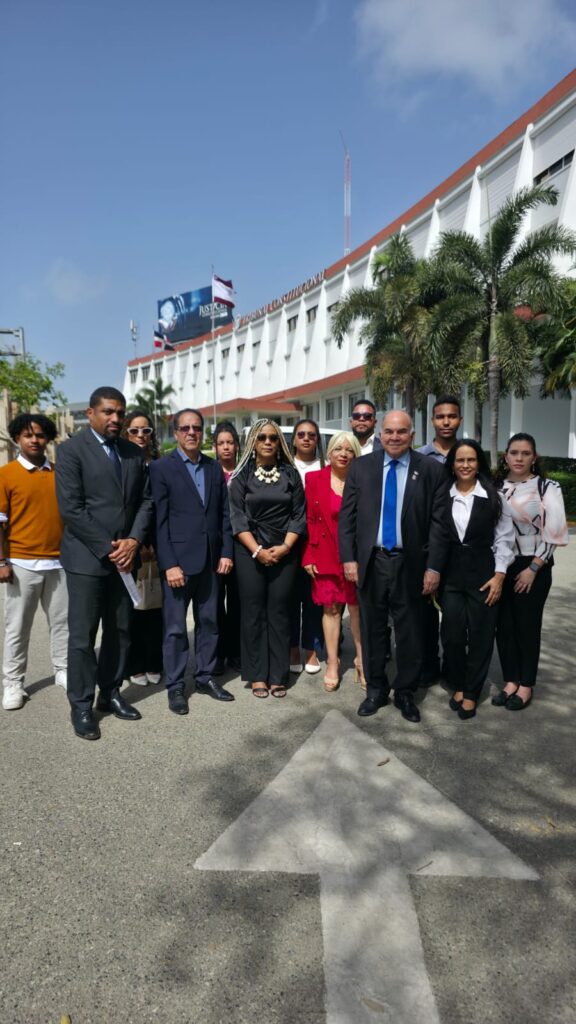
Citizens and organizations expressed their confidence that the Constitutional Court will adopt a decision aimed at preserving the supremacy of the Constitution, the social and democratic state of law, and the balanced protection of fundamental freedoms recognized by the national legal system.