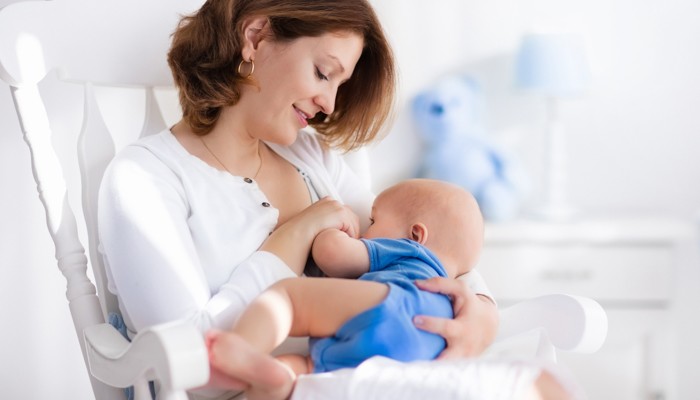
May is a month in which mothers are celebrated with gestures of affection and gratitude. However, beyond these endearing displays, this date can also be an opportunity to pause and look more closely at a less visible, but profoundly important, facet of being a mother: maternal mental health.
Talking about the emotional well-being of mothers —without taboos or euphemisms— is to recognize the emotional challenges, psychological and social that many women face during pregnancy, postpartum and in their day to day as mothers. The topic is necessary and urgent, especially in a region where this condition remains little visible and public conversation is scarce, despite the fact that many women face it in silence.
This urgency is reflected in figures that cannot be ignored. The World Health Organization (WHO) states that depression is the second leading cause of disability, preceded only by ischemic diseases (heart attacks, coronary insufficiency, stroke).
Let’s talk about maternal mental health
The period following the birth of a baby can be a real emotional roller coaster, something that many mothers experience in silence. Therefore, it is necessary to talk about it openly, with good information and, above all, with empathy.
More Read

Leena Mittal, MD, a psychiatrist at Mass General Brigham and chief of the Division of Women’s Mental Health at Brigham and Women’s Hospital, explains that “postpartum depression is often discussed, when in reality it is a broader range of emotional complications during the perinatal period.” This period, she specifies, begins during pregnancy and extends up to 6 to 12 months after delivery.
Mittal also clarifies that the symptoms of baby blues differ from those of postpartum depression (PPD), because while the former is characterized by fleeting emotional ups and downs, PPD involves a persistently low mood and a significant impact on daily life.
Recognizing the signs of postpartum depression
After the birth of a baby, it is common for mothers to go through an intense wave of emotions. Joy, anxiety, fatigue, and sensitivity often intertwine in a period of great physical and emotional changes. However, not all women experience postpartum in the same way. Therefore, it is essential to distinguish between the usual baby blues and postpartum depression (PPD). Recognizing the difference allows for seeking professional support in time and offering the appropriate accompaniment.
More Read

What is baby blues? Baby blues is an alteration or change in mood that affects approximately 80% of people who give birth. It manifests as emotional ups and downs, anxiety, easy crying, irritability, or sleep problems. It appears between the second and third day after delivery and usually disappears naturally within one or two weeks. It is mainly associated with sudden hormonal changes and the new physical and emotional adjustment of motherhood.
And postpartum depression (PPD)? PPD is more serious and persistent. It can occur at any time during the first year after childbirth. A new baby is a major life transition that can cause a range of new feelings and emotions. But just because you’re experiencing mood swings, doesn’t necessarily mean a mood disorder is developing.
What are the most common symptoms of postpartum depression? The first signs of postpartum depression can include a deep difficulty getting out of bed, lack of energy to perform daily tasks, and complications in taking care of herself or the baby. In many cases, it is the partner or close people who perceive these changes before the mother herself is fully aware of what is happening.
Other signs and symptoms of postpartum depression, which can range from mild to severe, often include:
- Tiredness
- Feeling sad, hopeless, or overwhelmed
- Trouble sleeping and eating
- Feelings of guilt and worthlessness
- Losing interest in things you used to enjoy
- Withdrawing from family and friends
- Little or no interest in your baby
- Thoughts of harming yourself or your baby
Unlike the baby blues, postpartum depression does not go away on its own and can seriously interfere with the mother’s well-being and the baby’s development if left untreated.

What causes postpartum depression and how to treat it?
More Read

Although there is no single cause, risk factors include a history of depression, lack of social support, difficult financial situations, medical problems, and stress during pregnancy or childbirth.
Treatment may include psychotherapy, medication (such as antidepressants safe for the breastfeeding period), and emotional support networks. Seeking help doesn’t make you less of a mother; on the contrary, it is an act of courage and shows that you care deeply about yourself and your family.
- Risk factors for postpartum depression
While the exact causes of placental abruption are not known, the main risk factors have been identified:
Personal or family history of depression or perinatal depression.A history of mood symptoms associated with menstruation.
Stressful life events during pregnancy.Medical problems.
Drug or alcohol use.- Treatment of postpartum depression
How to treat postpartum depression? Regarding the treatment of PPD, this may include:
Medications, such as antidepressants.
Psychotherapy or counseling with an individual or group therapist.Psychosocial support, that is, help from colleagues, family, friends, or a support group.
Caring for the caregiver
Being a mother shouldn’t mean neglecting yourself. If you or someone you know shows signs of PPD, it’s important to talk to a mental health professional or a gynecologist. There is a way out, there is support available, and, most importantly, there is hope.May this month of celebrating mothers not be limited to just flowers and hugs, but also serve as a reminder of the importance of caring for their emotional well-being. May awareness of their mental health extend beyond a single day, promoting active listening, access to information, and continuous support throughout the year.
About Mass General Brigham
Mass General Brigham is a healthcare system that brings together the best minds in medicine to improve the lives of patients around the world. The system is made up of 16 hospitals, including 5 ranked among the best nationally by US News & World Report: Massachusetts General Hospital, Brigham and Women’s Hospital, Mass Eye and Ear, McLean Hospital and Spaulding Rehabilitation; in addition to community and specialized care centers, health insurance plans, physician networks, home care and long-term care services.
Mass General Brigham is a non-profit organization committed to patient care, teaching, and research. With an annual budget of nearly 2 billion dollars, the Mass General Brigham research program is one of the largest in the U.S., and funds over 2,700 clinical trials. Furthermore, it is one of the leading biomedical research organizations in the country and the primary teaching affiliate of Harvard Medical School.